
Download or print.
(copies in conference packet)
Click on the daily tab to find sessions
Click on the name of the workshop to find handouts, presenter information, etc.
Session 1 | 8:30am - 9:30am
Welcome and Announcements. Come learn what will be happening at the conference!
Location: Grant Creek Ballroom (Salon D)
Session 2 | 9:30 am – 12:00 pm & 1:15pm - 4:30pm (All day alternate session)
[/fusion_fontawesome]
Session 2 | Alternate Session Zones of regulation Webinar - Leah Kuypers
Location: Salon G
Session 3 | 10:00am - 12:00pm
[/fusion_fontawesome]
Session 3.1 | Coaching Conversations to Increase Skills and Understanding- Nikki Sandve
Location: Bitterroot C
[/fusion_fontawesome]
Session 3.2 | Hot Topics in Special Education for Educators- Frank Podobnik/ OPI (Spec Ed Directors: See Friday Session)
Location: Salon D
[/fusion_fontawesome]Session 3.3 | Getting the Most out of your Tablet (repeated in PM)- Jeff Crews & Dean Phillips, Beyond the Chalk
Location: Salon C
[/fusion_fontawesome]
Session 3.4 | Getting Started in Montana Telepractice- Rachel Stansberry, Central MT Learning Resource Coop
Location: Salon B
[/fusion_fontawesome]
Session 3.5 | Fostering Partnerships with Head Start and IDEA Service Providers- Danni McCarthy, OPI
Location: Bitterroot A
[/fusion_fontawesome]
Session 3.6 | Farm to Early Care and Education: Promising Practices in Experiential Education and Health and Wellness- Lacy Stephens, National Farm to School Network
Location: Bitterroot B
[/fusion_fontawesome]
Session 3.7 | The Process of Discovery as an Age Appropriate Transition Assessment for Students with Significant Disabilities- Ellen Condon, Rural Institute for Inclusive Communities
Location: Salon A
[/fusion_fontawesome]
Session 3.8 | Implementing Student-led IEPs- Mary Di Biase, June Hermanson, MT Youth in Transitions
Location: Salon E
[/fusion_fontawesome]
Session 3.9 | Special Education 101: IEP Students in the Regular Education Classroom- Sue Corrigan. Kalispell School District
Location: Salon F
Lunch on your own | 12:00pm-1:15pm
Session 4 | 1:15pm-3:15pm
[/fusion_fontawesome]
Session 4-1 | Emerging Legal Issues in Special Education- Tal Goldin & Andre Larose, Disability Rights Montana
Location: Salon C
[/fusion_fontawesome]
Session 4-2 | Helpful Tips for New Special Education Directors Frank Podobnik, Dick Trerise & OPI staff
Location: Salon C
[/fusion_fontawesome]
Session 4-3 | 3.Getting the Most out of your Tablet (repeat of AM session)- Jeff Crews & Dean Phillips, Beyond the Chalk
Location: Salon C
[/fusion_fontawesome]
Session 4-4 | Tips & Tricks for Organization, Communication and Data- Teri Dierenfield & Molly Roe, West Valley School
Location: Salon B
[/fusion_fontawesome]
Session 4-5 | 5. Getting the Most Out of Each Day: Building Learning into Transitions-Jill Christensen, OPI
Location: Salon F
[/fusion_fontawesome]
Session 4-6 | Our Youth are Your Youth- Erin Butts, OPI; Kimberly Cederberg, Pine Hills School; Drew Ueker, Great Falls Schools, Marisa Britton-Bostwick, Montana State Prison, Keith Myer, Shodair Children’s Hospital; Susan Quinn & Thomas Moore, Great Falls Schools
Location: Salon A
[/fusion_fontawesome]
Session 4-7 | Off To Work We Go -Kyle Gillespie, Great Falls College-MSU
Location: Salon A/B
Session 5 | 3:30pm - 4:30pm Exhibitor Showcase.
These are two 25 minutes sessions. You must attend 2 in order to obtain credit.
[/fusion_fontawesome]
Session 5-1 | The Role of Certified Orientation & Mobility Specialist in the home, school & community: Early Intervention & Beyond- MT Ind Living Project- Melanie Bush, Chris Siller
Location: Salon A
[/fusion_fontawesome]
Session 5-2 |The PAX Good Behavior Game: Dr. Dennis Embry & Claire Richardson, Paxis Institute: Karl Rosston, DPHHS
Location: Salon D
[/fusion_fontawesome]
Session 5-3 |3.Meeting Intervention Challenges- Joyce Nace McGraw-Hill Education
Location: Salon C
[/fusion_fontawesome]
Session 5-4 | Serving students with Hearing Loss or Blind/low vision: TOGETHER WE ARE BETTER- Catherine Griffin & Sarah Eyer, MSDB
Location: Salon E
[/fusion_fontawesome]
Session 5-5 | What’s up with PLUK? Roger Holt, Jennifer Gaston-Smith, PLUK
Location: Salon F
[/fusion_fontawesome]
Session 5-6 | Become a Unified Champion School- Leann Dolly-Powell, Special Olympics Montana
Location: Salon G
Session 6 | 8:00am – 9:00am
KEYNOTE: Quality Connections- Together Toward Tomorrow
Powerpoint Presentation
Location: Grant Creek Ballroom - Salon D
Session 7 | 9:15am – 11:15am
[/fusion_fontawesome]
Session 7-1 | Google tools to “Efficiefy” your Workflow-Beyond the Chalk- Jeff Crews & Dean Phillips
Location: Salon ABC
[/fusion_fontawesome]
Location: Salon D
[/fusion_fontawesome]
Session 7-3 | Emerging Legal Issues in Special Education- Bea Kaleva, Kaleva Law
Location: Salon EFG
[/fusion_fontawesome]
Location: Bitterroot ABC
Session 8 |11:45am – 1:15pm
Luncheon | CSPD Awards
Session 9 | 1:30pm – 3:30pm
[/fusion_fontawesome]
Session 9-1 | Google Tools for Administrators: Jeff Crews & Dean Phillips, Beyond the Chalk
Location: Salon ABC
[/fusion_fontawesome]
Location: Salon D
[/fusion_fontawesome]
Location: Salon EFG
[/fusion_fontawesome]
Location: Bitterroot ABC
Session 10 | 3:50pm - 4:50pm Cracker Barrel Presentations
Must attend two 25 minute sessions in order to obtain credit.
[/fusion_fontawesome]
Session 10-1 | Multi State Alternate Assessement Overview- Yvonne Field, OPI
Location: Bitterroot A
[/fusion_fontawesome]
Session 10-2 | How the OPI Montana Autism Education Project can help you. For FREE!- Doug Doty. OPI
Location: Salon D
[/fusion_fontawesome]
Location: Salon B
[/fusion_fontawesome]
Session 10-4 | Literature Which Builds Important Math Skills and Math Vocabulary in Young Children- Jill Christensen, OPI
Location: Salon A
[/fusion_fontawesome]
Session 10-5 | Google Tools to help Exceptional Learners- Dean Phillips, Beyond the Chalk
Location: Salon C
[/fusion_fontawesome]
Session 10-6 | Google Cardboard- Jeff Crews, Beyond the Chalk
Location: Bitterroot B/C
[/fusion_fontawesome]
Session 10-7 | Developing a Transition Plan- Jill Myre. Baker Public Schools
Location: Salon G
[/fusion_fontawesome]
Session 10-8 | Pre- Employment Transition Services- Ellen Condon & Melissa Dadmun, Rural Institute for Inclusive Communities
Location: Salon F
[/fusion_fontawesome]
Session 10-9 | Resources to Support Paraedcators and those who Work with Them- Nancy Marks, OPI Para Consortium
Location: Salon E
Session 11 | 8:00am - 11:15am
[/fusion_fontawesome]
Location: Salon F
[/fusion_fontawesome]
Session 11-2 | What’s New with Technology? Jeff Crews & Dean Phillips, Beyond the Chalk
Location: Salon C
[/fusion_fontawesome]
Location: Salon A
[/fusion_fontawesome]
Location: Salon E
[/fusion_fontawesome]
Location: Bitterroot A
[/fusion_fontawesome]
Location: Bitterroot B
[/fusion_fontawesome]
Session 11-7 | 7 Navigating the Developmental Disabilities (DD) System- Kelly McNurlin, DD
Location: Salon G
[/fusion_fontawesome]
Location: Salon D
[/fusion_fontawesome]
Location: Salon B
[/fusion_fontawesome]
Session 11-10 | Cane Connections: Orientation and Mobility - Kerri Norick, Barbara Balko. MSDB
Location: Clark Fork Boardroom
[/fusion_fontawesome]
Location: Bitterroot C
Other activities to make note of throughout the conference.
Wednesday | 12:00pm - 1:15pm
Lunch on your own.
Wednesday | 4:30pm - 5:30pm
MCASE Legislative Bills Discussion
Salon AWednesday | 4:30pm - 5:00pm
University Credit meeting. If taking for University credit you must attend this session.
Salon BThursday | 11:45am - 1:00pm
CSPD Awards Luncheon
Join us to celebrate!Please let us know if you need Vegetarian option. Contact Deb Reed at the registration desk.
Thursday | 5:00pm - 5:30pm
Annual MCEC Membership Meeting
Win door prizes - gift cards and an annual CEC Membership!
Provide input for our annual plan.
No host bar in the atrium.Salon E
Thursday | 5:40pm - 7:00pm
No-Host Bar Social & Hors D’oeuvres
MCEC & MCASE Distinguished Service Awards
Door Prizes
Grant Creek Ballroom Salon D
Session 2: Zones of Regulation WEBINAR- Part 1- Leah Kuyper
By addressing underlying deficits in emotional and sensory regulation, executive functions, and social cognition, the curriculum is designed to help move students toward independent regulation. The Zones of Regulation incorporates Social Thinking® (www.socialthinking.com) concepts and numerous visuals to teach students to identify their feelings/level of alertness, understand how their behavior impacts those around them, and learn what tools they can use to manage their feelings and states. Leah Kuypers earned a Bachelor of Science degree in Occupational Therapy from the University of Wisconsin-Madison, a Graduate Certificate in Autism, and a Master of Arts in Education from Hamline University in St. Paul, MN. She has practiced as an OT and specialist in school and clinical settings, specializing in self-regulation and social learning, and has worked with students of all ages and challenges, including anxiety, ADHD, and ASD. She currently resides in Minneapolis, MN with her husband, son, daughter and dog. To have fun, Leah loves traveling, playing with her children, hiking, skiing and most
Leah created The Zones of Regulation®, a concept designed to teach self-regulation, and is author of the book and app by the same name (2011, Social Thinking Publishing; 2013, Selosoft, Inc). In addition to working with students, she provides trainings and consultation to parents and professionals, and offers workshops on the Zones to groups across the country and Canada.
Coaching Conversations to Increase Skills and Understanding- Nikki Sandve
Nikki has over twenty-five years of experience in education and has spent her career in educational program development and training; gaining her skills through alternative and traditional education settings including: K-12 schools, non-profits, state government, and university programs. She currently provides learning focused coaching training in Washington and is the director for a conservation education program. While working at the OPI she coordinated grants for professional development where she established the statewide mentor teacher training in Montana; and provided in-person and webinar trainings for school personnel. Nikki has always been curious about how people learn and consistently challenges people to stretch in their learning.
Hot Topics in Special Education for Educators- Frank Podobnik/ OPI (Spec Ed Directors: See Friday Session)
This session will be provided by members of the staff of the Special Education Division at the Office of Public Instruction. The staff is made up of excellent educators with a broad array of experience and training who strive to provide support to improve outcomes for students with disabilities.
Getting the Most out of your Tablet (repeated in PM)- Jeff Crews & Dean Phillips, Beyond the Chalk
Dean Phillips is a Montana educator with 15 years of experience in middle school classrooms. He is a Google Certified Innovator and a member of the Google Geo in Education Advisory Board. Dean currently works as an Innovation Specialist for Beyond The Chalk, LLC, a company he co-founded, and is an Adjunct Professor for Montana State University. His teaching background includes experiences in the Elementary, High School, and Higher Ed environments. Dean shares ideas with a variety of audiences guiding educators and others along the path of effective technology integration.
Jeff Crews, co-founder of Beyond the Chalk, provides transformational learning experiences to teachers and students. He feels technology, when used effectively as a tool by teachers and students, can facilitate the change from the traditional form of education to a 21st century model. Jeff is a Google Certified Teacher and a member of the Google Geo in Education Advisory Team. His past experiences as a classroom teacher, technology coordinator, NASA Earth Observing System assistant director,accompanied by his doctoral research, have afforded him a unique opportunity to work with teachers and students around the world.
Getting Started in Montana Telepractice- Rachel Stansberry, Central MT Learning Resource Coop
In Montana, professionals are often challenged by the geography of our state to make the necessary connections to deliver services. This presentation is designed to acquaint speech-language pathologists with basic information to get started with the use of telepractice to deliver speech-language pathology services in Montana. Teachers, administrators and paraprofessionals may attend to gain insight into how this can be an effective model for the delivery of speech language therapy services.
Rachel is a speech-language pathologist with 28 years of public school experience in rural schools. For the past three years, she has also been providing speech therapy services via telepractice.
Fostering Partnerships with Head Start and IDEA Service Providers- Danni McCarthy, OPI
I work for the OPI in the Special Education Division as a compliance monitor, 619 Coordinator, HCP Specialist, and Educational Interpreters Specialist.
Farm to Early Care and Education: Promising Practices in Experiential Education and Health and Wellness- Lacy Stephens, National Farm to School Network
From munching local carrots to growing herbs on the windowsill, farm to early care and education (ECE) offers exciting opportunities to increase the quality of the educational experience and promote health and wellness by connecting young children to local foods in meals and snacks, gardening, and engaging in food-based learning activities. In this session, learn fun and easy ways to incorporate farm to ECE activities that meet Montana Early Learning Standards while engaging parents and contributing to a strong local food community. Lacy Stephens, MS, RDN, brings her passion for supporting healthy kids, thriving communities, and sustainable food systems to her work as the Farm to Early Care and Education Associate with the National Farm to School Network (NFSN). In her work at NFSN, Lacy works to promote the development and expansion of the farm to early care and education movement through information sharing, network building, and advocacy. Lacy coordinates the NFSN Farm to Early Care and Education Working Group, serves on the CACFP National Advisory Council and CACFP TA Workgroup and holds a chair position with the Hunger and Environmental Nutrition Dietetics Practice Group. Based in Bozeman, Montana, Lacy is a registered dietitian with a Master’s Degree in Sustainable Food Systems from Montana State University.
The Process of Discovery as an Age Appropriate Transition Assessment for Students with Significant Disabilities- Ellen Condon, Rural Institute for Inclusive Communities
Age appropriate transition assessments are required to identify strengths, interests and support needs of a student with a disability and then inform their post school goals. In order to identify strengths of a student with a significant impact of disability it helps to get a picture of who they are, where they are at their best, and what conditions enable them to participate and succeed. This session will introduce the audience to the process of Discovery which can be used as an informal assessment and discuss several ways that Discovery can be woven into activities during the school day. Ellen Condon, M. Ed. is the Director the Pre-Employment Transition Services Technical Assistance Center, Transition and Employment Projects and Montana Deaf-Blind Project, at the University of Montana’s Rural Institute for Inclusive Communities. Condon has worked at the Rural Institute since 1996 on Transition and Employment for youth with significant disabilities. She is also a consultant with Marc Gold & Associates (MG&A), and she serves as a Subject Matter Expert for the Office of Disability Employment Policy at the U.S. Department of Labor on the Employment First State Leadership Mentor Project. Ellen has worked in the field of Developmental Disabilities since 1986. Prior to coming to Montana her experiences included hands-on service delivery, program development and program management in community residential and supported employment programs. She received her Master’s degree in Special Education from Boston College in 1990 after completing course work in Transition and Supported Employment.
Implementing Student-led IEPs- Mary Di Biase, June Hermanson, MT Youth in Transitions
Self-advocacy is a tool that we all need to survive the adult world, and one way we can teach self-advocacy to our students is by having them play an integral role in the development of their IEPs. This presentation will offer several strategies and resources to help you put your students in a leadership role and a decision making role in their IEPs, rather than as a bystander. By having students take responsibility for the development of their education plans, they will have increased awareness of their team members’s roles, an increased awareness of their disabilities and needed accommodations, and thus a a greater investment in their own futures.
June Hermanson is the founder and Program Director for the Montana Youth Leadership Forum and Co-Founder of the Montana Youth Transitions Project. June has a BA in Social Work and a M. Ed. June taught General Studies at Salish Kootenai College for twelve years, has been an Employment Services Specialist and Crisis Counselor for Mental Health. The past eighteen years of June’s career has been spent working with partners to build a system that will make the transitions from high school to the adult world a smooth process for youth with disabilities and their families. As a person with a congenital disability, June has experienced first hand some the experiences that young people are going through.
Mary Di Biase currently works as a Program Coordinator for Montana Youth in Transitions as well as for the Rural Institute Pre-ETS TAC. She has also worked as a Special Educator in Montana for nine years and as a Job Training Program supervisor for Montana Dept. of Labor Workforce Services Division. Mary has experience with curriculum development and training for parents, youth with disabilities, educators and counselors regarding transition services in Montana and how to teach employment readiness skills to youth. She holds a BA in Psychology from Carroll College and a BA in Special Education and M.Ed. from University of Great Falls.
9. Special Education 101: IEP Students in the Regular Education Classroom- Sue Corrigan. Kalispell School District
“Five guys on the court working together can achieve more than five talented individuals who come and go as individuals.” Kareem Abdul-Jabbar
This presentation is designed for those teachers, administrators and staff involved with students on IEPs. It is designed to introduce non-special education staff to the Special Education Process. Content area teachers are frequently perplexed about the different disabilities and what to expect from students on IEPs. On a daily basis, regular education staff ask questions on how best to serve the needs of students on IEPs in their classroom. Although there are no silver bullets, there are some basic bits of information to increase the confidence level of regular education staff as they support students on IEPs in their classroom. This presentation is designed to highlight information on accommodations and modification in the classroom, behavior management, and progress monitoring. I have a Bachelor’s Degree in Recreation Resource Management and a Special Education Teaching Certificate. I am a National Board Certified Teacher in Exceptionalities and have graduate work in Public Administration. I have worked at FHS in the 90s as a Job Coach and eventually earned by Teaching Certificate in Special Education. I have been a Special Education teacher at FHS for 16 years, the last three as Department Chair. I have a passion for coteaching and mentoring new teachers working with students with IEPs.
Emerging Legal Issues in Special Education- Tal Goldin & Andre Larose, Disability Rights Montana
This session will examine emerging legal issues in special education, including recent guidance on behavior intervention from the U.S. Department of Education (DOE), transition planning under the new Pre-Employment Transition Services Program (Pre-ETS), recent caselaw on comprehensive educational evaluation and other “hot topics.” Tal Goldin is the supervising attorney for the education unit at Disability Rights Montana (DRM). DRM is the federally mandated protection and advocacy organization for Montana with the mission of protecting the civil, human and legal rights of Montanans with Disabilities. The Education Unit works to ensure Montanans with disabilities, particularly children, are able to access educational programs and services free from discrimination and in accordance with state and federal law.
Tal was previously in private practice in the areas of family law, real estate, and business transactions and litigation. His prior experience includes development and prosecution work in juvenile justice and crimes against children at the Kings County District Attorney’s Office in Brooklyn, NY. Tal frequently lectures in his practice areas and is a former adjunct professor at University of Montana School of Law. Andrée has a long track record of successfully obtaining appropriate educational services for students with disabilities, both through settlement and litigation at administrative, district court and appellate court levels. Prior to joining Morrison, Sherwood, Wilson and Deola in 2008, Andrée was a senior staff attorney for Disability Rights Montana for over 20 years. Parents Let’s Unite for Kids (PLUK) has presented Andrée with an “Angel” award for her work enforcing the educational rights of students with disabilities. In 2012, Andrée received the Neil Haight Pro Bono award from the State Bar of Montana, for her continuing work as an advocate for people with disabilities. Andrée has represented individuals and worked for systems change on issues such as abuse and neglect of persons with disabilities in schools, institutions and other facilities; guardianship and conservatorship; involuntary commitment; mental health services; developmental disabilities services; employment discrimination; and discrimination in medical care, including end-of-life and forced sterilization issues.
Helpful Tips for New Special Education Directors Frank Podobnik, Dick Trerise & OPI staff
This session will provide helpful tips for new special education directors, aspiring special education directors, or for anyone interested. The OPI Special Education staff will provide tips for new directors on how to manage the many demands of special education leadership. Tips on striking a balance between compliance and results, managing the large amount of information, prioritizing where your focus your energies, and other topics will be discussed. Frank Podobnik This session will be provided by members of the staff of the Special Education Division at the Office of Public Instruction. The staff is made up of excellent educators with a broad array of experience and training who strive to provide support to improve outcomes for students with disabilities.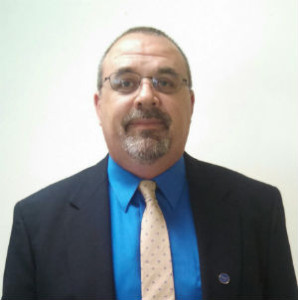
Getting the Most out of your Tablet (repeat of AM session)- Jeff Crews & Dean Phillips, Beyond the Chalk
Are you looking to maximize the use of your tablet in your current position? This session will look at IOS and android tablets and some of their unique features that make them powerful teacher and student devices. We will focus on the operating system and specific apps that help maximize your efficiency as a teacher. Dean Phillips is a Montana educator with 15 years of experience in middle school classrooms. He is a Google Certified Innovator and a member of the Google Geo in Education Advisory Board. Dean currently works as an Innovation Specialist for Beyond The Chalk, LLC, a company he co-founded, and is an Adjunct Professor for Montana State University. His teaching background includes experiences in the Elementary, High School, and Higher Ed environments. Dean shares ideas with a variety of audiences guiding educators and others along the path of effective technology integration. Jeff Crews, co-founder of Beyond the Chalk, provides transformational learning experiences to teachers and students. He feels technology, when used effectively as a tool by teachers and students, can facilitate the change from the traditional form of education to a 21st century model. Jeff is a Google Certified Teacher and a member of the Google Geo in Education Advisory Team. His past experiences as a classroom teacher, technology coordinator, NASA Earth Observing System assistant director,accompanied by his doctoral research, have afforded him a unique opportunity to work with teachers and students around the world.
Tips & Tricks for Organization, Communication and Data- Teri Dierenfield & Molly Roe, West Valley School
We will give teachers useful ideas for: Teri is a special education teacher at West Valley School. She has taught special education for 10 years. Teri has also taught regular education and has a wide variety of experience with children from gifted to non-verbal autism. She has a master’s degree in Curriculum and Instruction and is almost finished with her master’s degree in Educational Leadership. She is a mom of 4 children. Teri is passionate about reading and educating all students and helping other teachers have success and minimal stress in their careers! Molly has a double major in Special Education and Elementary Education from Minot State University. She is currently working towards a Special Education Strategist master’s degree. Molly has a wide range of experience with students with disabilities from elementary to transitional age. She is currently employed at West Valley school in Kalispell, MT and the local program coordinator for West Valley Special Olympics.
Internal and External Communication and Record-keeping
Data Tracking - Behavior, Progress, Grades
Visual Schedules
Using Google Docs and Spreadsheets for these
Getting the Most Out of Each Day: Building Learning into Transitions-Jill Christensen, OPI
Transitioning from one activity or experience to another often produce unregulated children and disruptive behaviors. These times can be stressful for all children and adults. In this session, we will discuss strategies that can turn these challenging times into learning opportunities. Jill Christensen is a Preschool Specialist at the Montana Office of Public Instruction. She is currently working as a member of the Montana Preschool Development Grant leadership team. Jill’s experiences in Early Childhood have been primarily in Head Start and Early Head programs. She has most recently worked as an instructional coach, trainer, and consultant for early childhood programs throughout Oklahoma. Jill was born in Montana and is pleased to be back in Big Sky Country.
Our Youth are Your Youth- Erin Butts, OPI; Kimberly Cederberg, Pine Hills School; Drew Ueker, Great Falls Schools, Marisa Britton-Bostwick, Montana State Prison, Keith Myer, Shodair Children's Hospital; Susan Quinn & Thomas Moore, Great Falls Schools
Erin Butts works for the Office of Public Instruction in the capacity as the School Mental Health Coordinator. She has worked in this position full-time since 2013. Erin has been involved in statewide school mental health initiatives with the Office of Public Instruction since 2010. She grew up in Northwest Montana and resides in Helena, Montana.
Kimberly Leslie Cederberg was raised on a farm near Miles City, Montana. She earned her Bachelors of the Arts in Communications from Colorado State University and a Masters of Education in Educational Leadership from the University of Montana. Kimberly spent several years teaching English, Title and a variety of other classes in a public school setting. Kimberly accepted the principal position at Pine Hills in 2012. She currently resides in Miles City with her family.
Keith L. Meyer serves as the Director of Education for Shodair Children’s Hospital. Keith was born in Choteau, Montana and was raised in Fairfield, Montana into a family where agriculture was the main focus of the Meyer family.
Keith served as an elementary teacher and principal, K-12 Curriculum Director, K-12 Director of Education, Assistant Superintendent and the Interim Superintendent of Schools all for the Helena Public Schools. He retired from the Helena Public Schools after 35 years of service.
Keith is a member of the Montana Association of Elementary and Middle School Principals, National Association of Elementary School Principals, Montana Association of Supervision and Curriculum Development and the National Association of Supervision and Curriculum Development. He has held various leadership positions within these professional associations and has also received awards from each of the associations. Keith is an advocate for the children enrolled at The School at Shodair and supports them on a daily basis.
Susan Quinn’s work with the Great Falls Public School is as the district’s Transition Coordinator as well as serving as a liaison between private and home schools to match student need with the resources the district has to offer. Additionally, Susan manages the district’s Summer Virtual Academy, coordinates distance learning in the district, and is an English instructor for GFPS Adult Education. Susan also teaches for Montana Digital Academy. Prior to her time in this position, she was a high-school administrator for six years, and a classroom teacher for 16 years where she worked to find flexible options for high school students to find their own way to their educational goals.
- Drew Uecker, is the Principal at Paris Gibson Education Center based in Great Falls. He has 34 years of educational experience, 17 years as an administrator.
- Marisa Britton-Bostwick is the Director of Education at the Montana State Prison. Marisa received her Masters in Educational Administration at Chapman University Orange, CA, attained post graduate credential in literacy and reading instruction at the University of California Los Angeles and a post graduate credential in language acquisition and development with the University of San Diego. She received her Bachelors of Science in Education at Montana State University Billings, MT. She has has been an elementary teacher and administrator for multiple years prior to current position with the Montana State Prison.
Off To Work We Go -Kyle Gillespie, Great Falls College-MSU
This is the chance to learn about career readiness and visit about apprenticeship programs. This can help districts and teachers in working with students who want a career path after graduation. This will give teachers the tools to have the discussion with students on why a career can be just as successful as college degree. Kyle Gillespie is the Technical Manager, of Welding and Fabrication Training at Great Falls College –MSU. He is Currently a National Center For Construction Education and Research(NCCER) Welding Instructor, a National Center For Construction Education and Research(NCCER) Core Cirricula Instructor, and Instructor of the Acorn curriculum through Canadian Welding Bureau (CWB). During Kyle’s employment as a welding instructor at Millstream Career and Technology Center, He developed a two-year AWS curriculum and worked with outside industry assessing their needs for workforce development to ensure the employability skills of my students. He developed course of study/curriculum for welding program, coordinated regional welding Skills/USA Ohio competition, and was selected as Teacher of the Month by Rotary Club”
The Role of Certified Orientation & Mobility Specialist in the home, school & community: Early Intervention & Beyond- MT Ind Living Project- Melanie Bush, Chris Siller
The MILP O&M Team will present information about the provision of O&M instruction to children who are blind or have low vision. These children have unique learning needs requiring specialized instruction. According to IDEA, these services need to be provided by highly qualified staff. Certified O&M Specialists provide direct, one-on-one instruction to children, age birth to 21. The skills taught through O&M are critical for gross motor development, proprioception, concept development and sensory integration. O&M instruction focuses on purposeful movement leading to independent travel and successful transitions later in life. O&M instruction also incorporates training in the use of mobility related technology that promotes safe, efficient and independent travel.
Chris Siller, Caitlyn Blodget and I work for Montana Independent Living Project providing direct, one-on-one Orientation & Mobility Instruction to children, age birth to 21. As Orientation & Mobility Specialists, we have taught people of all ages for a combined experience of over forty years. Each of us provide this life-changing instruction in designated areas of Montana. We each have completed a Masters Degree program in Orientation & Mobility and hold a national certification in that field.
The PAX Good Behavior Game: Dr. Dennis Embry & Claire Richardson, Paxis Institute: Karl Rosston, DPHHS
Dennis D. Embry, Ph.D., is the president/senior scientist of PAXIS Institute in Tucson, Arizona; co-investigator at the Manitoba Centre for Health Policy, and co-investigator at the Center on Prevention and Early Intervention at Johns Hopkins University. His work on prevention of health, safety, substance abuse, violence and mental illness among children has been featured in national media such as the Today Show, Good Morning America, Life Magazine, People Magazine, the New York Times, the LA Times, the Associated Press, European press and others. He has been a policy and program consultant for very diverse organizations on child and family issues, from Sesame Street to the Pentagon, from state governments to foreign governments, from foundations to corporations. Since 2000, Dr. Embry has been articulating international policies and practices for universal prevention to protect children’s futures and the world’s future. Dr. Embry and PAXIS have prevention and research projects in 37 states of the U.S., multiple provinces of Canada and several European Union Countries.
Claire S. Richardson is the PAX Good Behavior Game Lead International Trainer and a Consultant with PAXIS Institute, which is based in Tucson, Arizona. She is also a trainer of the Simple Gifts initiative. Claire conducts numerous trainings annually and provides on-going consultation for PAXIS prevention and research projects in 38 states in the U.S., the provinces of Alberta and Manitoba, Canada, and in Estonia. Presently, she is organizing and facilitating the Indigenous PAX Gathering which are occurring every six months. Much of her recent prevention work focuses on low-cost evidence-based kernels and behavioral vaccines. Claire is one of the co-creators behind the PAX Good Behavior Game™. She provides frequent workshops and lectures along with Dr. Dennis Embry on children’s brain development, prevention and social policy using low-cost or no-cost practices. She also gives workshops and presentations on community-based approaches to reducing drug endangerment.
Meeting Intervention Challenges- Joyce Nace McGraw-Hill Education
This session will focus on overcoming those challenges with the FLEX Literacy, a powerful flexible data-driven intervention system. Multiple implementation models fit any classroom. Three learning experiences work together to combines the best of computer based and teacher-led instruction with collaborative learning to provide struggling readers and writers the skills they need for college and career readiness.”
Joyce Nace is a former National Specialized Solutions Consultant. Ms. Nace is experienced in developing, implementing and training staff in the use of specialized curriculum for culturally and academically diverse populations. Ms. Nace works with districts to create quality professional development and ongoing support for their implementation. She has presented at local, state and national level conferences throughout her career.
Ms. Nace has 30 years teaching experience with an extensive background in devising strategies for struggling learners. Ms. Nace is a graduate of the Central Washington University with a degree in Special Education. she acquired her Masters Degree in Curriculum & Instruction at City University. Ms. Nace remains active in the Association o Direct Instruction and has been honored with Direct Instruction Teacher of the Year Award.
Serving students with Hearing Loss or Blind/low vision: TOGETHER WE ARE BETTER- Catherine Griffin & Sarah Eyer, MSDB
This topic will provide information on statewide services for Deaf and Hard of Hearing students; these services are provided at no cost to districts. Practical application to the classroom including how to trouble shoot hearing aid/cochlear implant, classroom modifications and educational strategies to maximize language acquisition will be addressed. Catherine “Kitty” Griffin M.C.S.D CCC-SLP is a certified Speech- Language pathologist with a specialty in Deaf and Hard of Hearing. Kitty works in SW MT as an Outreach Consultant for MSDB and owns and operates her private practice in Dillon, MT. Sarah Eyer, MS Ed has been an Outreach Consultant for the Montana School for the Deaf and Blind for over 20 years. Her real education is attributed to being the mother of three sons, one of whom is Deaf.
What's up with PLUK? Roger Holt, Jennifer Gaston-Smith, PLUK
PLUK is the family organization for the state of Montana. This means it is staffed and governed by family leaders around the state. Families are key to quality programming and drivers of system change. Learn the diverse ways
PLUK is helping families, schools, and professionals around the state.
Roger is the director of PLUK. His background is with all things with computers and technology. He was the second certified assistive technology practitioner in the state. He started with PLUK in 1990 and has served as director since
Jennifer Gaston-Smith joined PLUK in July 2016, after a recent move from the VA/DC area. She is Western Montana’s Family Advocate. She is a 2014 graduate of Partners in Policymaking (PIP) with the Virginia Board for People With Disabilities. She has a Master’s Degree in Counselor Education and a license as school counselor in MT for K-12. She developed the simplified Disability Awareness workshop for school staff and students.
2006.
Become a Unified Champion School- Leann Dolly-Powell, Special Olympics Montana
LeAnn Dolly-Powell has been working with Special Olympics for over 10 years. She has been on the staff in Montana for 6.5 years. LeAnn has written the grants to support Unified Champion Schools here in Montana. Through her leadership at SOMT supported 81 schools around Montana in 2016. Programs include Young Athletes Programs, Unified PE pilot programs, the Flathead Reservation pilot project, and school based program development.
Google tools to “Efficiefy” your Workflow-Beyond the Chalk- Jeff Crews & Dean Phillips
As teachers we constantly struggle to manage the many demands that confront us everyday. Time, or the lack there of is the biggest factor we face as we try to manage our daily workflow. There are many google tools we as teachers can use as teachers to become more efficient. Come join our hands-on exploration of these tools. Jeff Crews, co-founder of Beyond the Chalk, provides transformational learning experiences to teachers and students. He feels technology, when used effectively as a tool by teachers and students, can facilitate the change from the traditional form of education to a 21st century model. Jeff is a Google Certified Teacher and a member of the Google Geo in Education Advisory Team. His past experiences as a classroom teacher, technology coordinator, NASA Earth Observing System assistant director,accompanied by his doctoral research, have afforded him a unique opportunity to work with teachers and students around the world. Dean Phillips Dean Phillips is a Montana educator with 15 years of experience in middle school classrooms. He is a Google Certified Innovator and a member of the Google Geo in Education Advisory Board. Dean currently works as an Innovation Specialist for Beyond The Chalk, LLC, a company he co-founded, and is an Adjunct Professor for Montana State University. His teaching background includes experiences in the Elementary, High School, and Higher Ed environments. Dean shares ideas with a variety of audiences guiding educators and others along the path of effective technology integration.

From Diagnosis to First Grade: What Preschool Programs for Children Diagnosed with ASD Need to Teach- PART 1 Ann Garfinkle, UM
This presentation will provide a pathway from the time the child is suspected having Autism Spectrum Disorder (ASD), through diagnosis, to the first days in an early childhood program, through transition to school-aged programs. Resources for recognizing the early signs of ASD will be presented; the behavioral and learning characteristics of ASD will be presented; initial stages of teaching children to learn from formal instruction will be presented; curriculum important for young children with ASD will be described; empirically-based instructional strategies will be explained; and, strategies for transitioning children with ASD to school settings will be discussed. Dr. Ann Garfinkle is an Associate Professor of Special Education at the University of Montana and a Faculty Affiliate at the University of Hawaii. Her area of interest is educational/behavioral treatments for people diagnosed with Autism Spectrum Disorder (ASD). She has published in this area and presents often, including in international venues.
Emerging Legal Issues in Special Education- Bea Kaleva, Kaleva Law
A look at the most important cases decided over the last year and how they affect the school community.
Bea Kaleva serves as counsel for school districts in all areas of employment and school law. Specific practice areas include: contract negotiations, employee misconduct and discipline, student misconduct and discipline, special education and federal programs, and Board of Trustees practice and procedure. She provides litigation defense to school districts and their employees in federal and state courts, arbitrations, and administrative agencies relating to all aspects of school district operations.
Making Secondary Transitions Matter- Part 1 Tim Garrett, Jake West, Helena Schools; Marla Swanby, OPI
Participants will experience a hands on approach to developing Standards Based Secondary Transition IEPs. They will get to write standards based goals, write supplementary aides and services to aid students in his/her post-secondary pursuits. Attend this session to ask any question and work on hands-on activities for secondary transitions. Tim Garrett is a Special Education teacher with Helena School District 1. He has taught at the Project for Alternative Education (PAL) for 24 years. Before that he was a Special Education and Regular Education teacher in Colorado Springs for 7 years and was a case manager for the Transition to Employment program during the summers for LD and ED students. This led to 2 years as a \u201chouse parent\u201d at a Group Home. The PAL staff have developed an ongoing transition program for all students in the program which include job shadows, job experiences, and internships. Tim has a variety of teaching and coaching experiences with high risk teens.
Tim Garrett is a Special Education teacher with Helena School District 1. He has taught at the Project for Alternative Education (PAL) for 24 years. Before that he was a Special Education and Regular Education teacher in Colorado Springs for 7 years and was a case manager for the Transition to Employment program during the summers for LD and ED students. This led to 2 years as a \u201chouse parent\u201d at a Group Home. The PAL staff have developed an ongoing transition program for all students in the program which include job shadows, job experiences, and internships. Tim has a variety of teaching and coaching experiences with high risk teens. “}” data-sheets-userformat=”{“2″:963,”3”:{“1″:0},”4”:{“1″:2,”2″:16777215},”9″:0,”10″:1,”11″:4,”12″:0}”>Tim Garrett is a Special Education teacher with Helena School District 1. He has taught at the Project for Alternative Education (PAL) for 24 years. Before that he was a Special Education and Regular Education teacher in Colorado Springs for 7 years and was a case manager for the Transition to Employment program during the summers for LD and ED students. This led to 2 years as a “house parent” at a Group Home. The PAL staff have developed an ongoing transition program for all students in the program which include job shadows, job experiences, and internships. Tim has a variety of teaching and coaching experiences with high risk teens.
Google Tools for Administrators: Jeff Crews & Dean Phillips, Beyond the Chalk
Jeff Crews, co-founder of Beyond the Chalk, provides transformational learning experiences to teachers and students. He feels technology, when used effectively as a tool by teachers and students, can facilitate the change from the traditional form of education to a 21st century model. Jeff is a Google Certified Teacher and a member of the Google Geo in Education Advisory Team. His past experiences as a classroom teacher, technology coordinator, NASA Earth Observing System assistant director,accompanied by his doctoral research, have afforded him a unique opportunity to work with teachers and students around the world.
Dean Phillips
Dean Phillips is a Montana educator with 15 years of experience in middle school classrooms. He is a Google Certified Innovator and a member of the Google Geo in Education Advisory Board. Dean currently works as an Innovation Specialist for Beyond The Chalk, LLC, a company he co-founded, and is an Adjunct Professor for Montana State University. His teaching background includes experiences in the Elementary, High School, and Higher Ed environments. Dean shares ideas with a variety of audiences guiding educators and others along the path of effective technology integration.
From Diagnosis to First Grade: What Preschool Programs for Children Diagnosed with ASD Need to Teach- PART 2 Ann Garfinkle, UM
This presentation will provide a pathway from the time the child is suspected having Autism Spectrum Disorder (ASD), through diagnosis, to the first days in an early childhood program, through transition to school-aged programs. Resources for recognizing the early signs of ASD will be presented; the behavioral and learning characteristics of ASD will be presented; initial stages of teaching children to learn from formal instruction will be presented; curriculum important for young children with ASD will be described; empirically-based instructional strategies will be explained; and, strategies for transitioning children with ASD to school settings will be discussed. Dr. Ann Garfinkle is an Associate Professor of Special Education at the University of Montana and a Faculty Affiliate at the University of Hawaii. Her area of interest is educational/behavioral treatments for people diagnosed with Autism Spectrum Disorder (ASD). She has published in this area and presents often, including in international venues.
The PAX Good Behavior Game: Preventing Youth Suicides and Bettering the Futures for Montana’s Youth- Dr. Dennis Embry & Claire Richardson, Paxis Institute: Karl Rosston, DPHHS
Classroom teachers are teaching and dealing with increasing numbers of students who have hyperactive behavior, emotional problems, aggressive or violent behavior, who have been exposed to trauma or insecurity, have developmental issues, and are experiencing personal and professional stress. Many educators are suffering in silence, worried about their ineffectiveness and lack of skills to manage and teach their students. Compassion fatigue amongst teachers is real and is impacting teachers’ physical, emotional and psychological health.
The good news is that we have powerful, practical science to prevent, reduce and even “cure” the social ills plaguing our youth. One of the scientific findings singled out in the report involved the Good Behavior Game, The Good Behavior Game is unique in the scientific literature, in that an individual teacher can adopt it, and produce lifetime results in reducing mental illness, substance abuse, juvenile delinquency, and prevent youth suicide while increasing high school graduation and college entry. Dennis D. Embry, Ph.D., is the president/senior scientist of PAXIS Institute in Tucson, Arizona; co-investigator at the Manitoba Centre for Health Policy, and co-investigator at the Center on Prevention and Early Intervention at Johns Hopkins University. His work on prevention of health, safety, substance abuse, violence and mental illness among children has been featured in national media such as the Today Show, Good Morning America, Life Magazine, People Magazine, the New York Times, the LA Times, the Associated Press, European press and others. He has been a policy and program consultant for very diverse organizations on child and family issues, from Sesame Street to the Pentagon, from state governments to foreign governments, from foundations to corporations. Since 2000, Dr. Embry has been articulating international policies and practices for universal prevention to protect children’s futures and the world’s future. Dr. Embry and PAXIS have prevention and research projects in 37 states of the U.S., multiple provinces of Canada and several European Union Countries. Claire S. Richardson is the PAX Good Behavior Game Lead International Trainer and a Consultant with PAXIS Institute, which is based in Tucson, Arizona. She is also a trainer of the Simple Gifts initiative. Claire conducts numerous trainings annually and provides on-going consultation for PAXIS prevention and research projects in 38 states in the U.S., the provinces of Alberta and Manitoba, Canada, and in Estonia. Presently, she is organizing and facilitating the Indigenous PAX Gathering which are occurring every six months. Much of her recent prevention work focuses on low-cost evidence-based kernels and behavioral vaccines. Claire is one of the co-creators behind the PAX Good Behavior Game™. She provides frequent workshops and lectures along with Dr. Dennis Embry on children’s brain development, prevention and social policy using low-cost or no-cost practices. She also gives workshops and presentations on community-based approaches to reducing drug endangerment.
The PAX Good Behavior Game is built fully on the Nurturing Environment model, not just in theory but also in practical, tested and proven skillsets that can be used throughout the school day and generalized to homes, families, and communities. This session will report on the predicted benefits for the youth of Montana based on the demonstration programs in the State of New Mexico and in Ireland. Participants will be able to use planning, implementation and economic estimators for their school districts and communities to empower them to protect all children.
Making Secondary Transitions Matter- Part 2 Tim Garrett, Jake West, Helena Schools; Marla Swanby, OPI
Participants will experience a hands on approach to developing Standards Based Secondary Transition IEPs. They will get to write standards based goals, write supplementary aides and services to aid students in his/her post-secondary pursuits. Attend this session to ask any question and work on hands-on activities for secondary transitions. Tim Garrett is a Special Education teacher with Helena School District 1. He has taught at the Project for Alternative Education (PAL) for 24 years. Before that he was a Special Education and Regular Education teacher in Colorado Springs for 7 years and was a case manager for the Transition to Employment program during the summers for LD and ED students. This led to 2 years as a \u201chouse parent\u201d at a Group Home. The PAL staff have developed an ongoing transition program for all students in the program which include job shadows, job experiences, and internships. Tim has a variety of teaching and coaching experiences with high risk teens.
Tim Garrett is a Special Education teacher with Helena School District 1. He has taught at the Project for Alternative Education (PAL) for 24 years. Before that he was a Special Education and Regular Education teacher in Colorado Springs for 7 years and was a case manager for the Transition to Employment program during the summers for LD and ED students. This led to 2 years as a \u201chouse parent\u201d at a Group Home. The PAL staff have developed an ongoing transition program for all students in the program which include job shadows, job experiences, and internships. Tim has a variety of teaching and coaching experiences with high risk teens. “}” data-sheets-userformat=”{“2″:963,”3”:{“1″:0},”4”:{“1″:2,”2″:16777215},”9″:0,”10″:1,”11″:4,”12″:0}”>Tim Garrett is a Special Education teacher with Helena School District 1. He has taught at the Project for Alternative Education (PAL) for 24 years. Before that he was a Special Education and Regular Education teacher in Colorado Springs for 7 years and was a case manager for the Transition to Employment program during the summers for LD and ED students. This led to 2 years as a “house parent” at a Group Home. The PAL staff have developed an ongoing transition program for all students in the program which include job shadows, job experiences, and internships. Tim has a variety of teaching and coaching experiences with high risk teens.
Multi State Alternate Assessement Overview- Yvonne Field, OPI (to get credit you need to attend 2)

Yvonne Field
Yvonne Field, is the assessment specialist at the Office of Public Instruction, she has a background in music and post secondary and elementary special education. Currently she manages the ELP assessments and the NCSC Alternate Assessment for the OPI.
How the OPI Montana Autism Education Project can help you. For FREE!- Doug Doty. OPI(to get credit you need to attend 2)
Learn about the free training and consultation services available from the OPI Montana Autism Education Project. Doug Doty- Research Award Doug Doty is the Statewide Coordinator for the Montana Autism Education Project (MAEP) of the Montana Office of Public Instruction. The MAEP has autism specialists and trainers across Montana who provide training and consultation to public schools. Doug has also served as a special education compliance monitor for the Montana Office of Public Instruction, providing technical assistance and training in compliance with state and federal regulations. Previously he was an okapi at Zoo Montana and has also worked for the Montana Developmental Disabilities Program as a trainer, advocate and compliance officer in Missoula, Billings and eastern Montana.
Good, Better, Best: Differentiated Early Literacy Instruction for Student Success- Ann Ellsworth, MSU (to get credit you need to attend 2)
This interactive session will demonstrate how teachers can modify the specificity of language learning outcomes with activities that first center on core oral language understandings (e.g., word rhyming, phoneme counting, word stretching) and then transition to more advanced concepts (initial and final phoneme substitution) in preparation for working with symbols, or the alphabet. Handouts will include a list of early literacy skills and anchor texts that showcase particular language features as well as a descriptive list of kid-tested and approved language games that build foundational reading skills. Ann Ellsworth teaches undergraduate and graduate reading/ELA courses at Montana State University. Before joining the MSU faculty, she was a public school teacher in the midwest. For several years she served as editor for the Montana State Reading Journal. Current projects include a book on language fundamentals for K-8 preservice teacher candidates.
Literature Which Builds Important Math Skills and Math Vocabulary in Young Children- Jill Christensen, OPI (to get credit you need to attend 2)
In this fun and interactive session, we’ll experiences some great literature and some intentional strategies to expose children to key math vocabulary and math concepts. Jill Christensen is a Preschool Specialist at the Montana Office of Public Instruction. She is currently working as a member of the Montana Preschool Development Grant leadership team. Jill’s experiences in Early Childhood have been primarily in Head Start and Early Head programs. She has most recently worked as an instructional coach, trainer, and consultant for early childhood programs throughout Oklahoma. Jill was born in Montana and is pleased to be back in Big Sky Country.
Google Tools to help Exceptional Learners- Dean Phillips, Beyond the Chalk (to get credit you need to attend 2)
Dean Phillips is a Montana educator with 15 years of experience in middle school classrooms. He is a Google Certified Innovator and a member of the Google Geo in Education Advisory Board. Dean currently works as an Innovation Specialist for Beyond The Chalk, LLC, a company he co-founded, and is an Adjunct Professor for Montana State University. His teaching background includes experiences in the Elementary, High School, and Higher Ed environments. Dean shares ideas with a variety of audiences guiding educators and others along the path of effective technology integration.
Google Cardboard- Jeff Crews, Beyond the Chalk (to get credit you need to attend 2)
Jeff Crews, co-founder of Beyond the Chalk, provides transformational learning experiences to teachers and students. He feels technology, when used effectively as a tool by teachers and students, can facilitate the change from the traditional form of education to a 21st century model. Jeff is a Google Certified Teacher and a member of the Google Geo in Education Advisory Team. His past experiences as a classroom teacher, technology coordinator, NASA Earth Observing System assistant director,accompanied by his doctoral research, have afforded him a unique opportunity to work with teachers and students around the world.
Developing a Transition Plan- Jill Myre. Baker Public Schools(to get credit you need to attend 2)
Power point and group interaction to develop a sample transition plan,(I can send you the power point if you want.) Special Education Teacher/Special Education Director for Baker Public Schools. I have a Bachelor of Science in Education, major Health, Physical Education, Recreation with a Minor in Secondary Special Education, 1980. In 1987 I earned a Masters in Education, Guidance and Counseling k-12. In 2012 I earned a Masters in Special Education Pk-12 with the help of the Special Education Endorsement project at MSU-Billings. This is my 8th year serving Baker Public Schools. My previous experience includes about 25 years working in private and public settings as a teacher and/or counselor. I am a proud mother of three girls, ages 31, 26,26, two sons in laws and one future son in law. I have 2 grand children ages 5 and 3, and one on the way! It is my aspiration to continue working with the educational community to serve students, families, and professionals to the best of my ability. My other passion is a hobby of watercolor for the last 12 years. I call it my visual diary. You can find me a couple times a week at a water aerobics class in the summers in Helena, MT and fall-spring in Baker’s indoor pool!
Pre- Employment Transition Services- Ellen Condon & Melissa Dadmun, Rural Institute for Inclusive Communities (to get credit you need to attend 2)
Ellen Condon, M. Ed. is the Director the Pre-Employment Transition Services Technical Assistance Center, Transition and Employment Projects and Montana Deaf-Blind Project, at the University of Montana’s Rural Institute for Inclusive Communities. Condon has worked at the Rural Institute since 1996 on Transition and Employment for youth with significant disabilities. She is also a consultant with Marc Gold & Associates (MG&A), and she serves as a Subject Matter Expert for the Office of Disability Employment Policy at the U.S. Department of Labor on the Employment First State Leadership Mentor Project. Ellen has worked in the field of Developmental Disabilities since 1986. Prior to coming to Montana her experiences included hands-on service delivery, program development and program management in community residential and supported employment programs. She received her Master’s degree in Special Education from Boston College in 1990 after completing course work in Transition and Supported Employment.
Melissa Dadmun, M.Ed., is a Project Coordinator for the Pre-Employment Transition Services Technical Assistance Center at the University of Montana’s Rural Institute for Inclusive Communities. Melissa also works as a Project Coordinator for UM’s Introduction to College project for high school students with disabilities through the College of Health and Human Services. Melissa’s employment background has focused on social justice issues surrounding poverty, housing, abilities, and education. While working on her Master’s degree and special education endorsement, Melissa participated in the Training Teachers to Ensure Achievement and Membership (TTEAM) project, whose mission is to increase the capacity of schools and teachers to provide effective instruction to students with low incidence disabilities. She enjoys assessing school and employment environments to increase accessibility and enhance independency through individualized supports.
Resources to Support Paraeducators and those who Work with Them- Nancy Marks, OPI Para Consortium (to get credit you need to attend 2)
Participants will learn about resources that are available to them to work with paraedcators, including online and face-to-face professional development, website resources and much more. Nancy Marks is a retired special educator and professional development coordinator. She has been a member of the OPI Paraprofessional Consortium since it began in 1996. She has a passion for helping paraeducators be successful in the classroom. She develops and facilitates online courses for paraprofessionals, along with her husband Ron, they enjoy their role as a grandparents and enjoy camping, kayaking and gardening!
MCASE Roundtable Discussion for Special Education Administrators: Changes in Montana Special Education- Frank Podobnik, OPI and Jenifer Cline, MCASE
This session is for special education directors. The OPI staff will provide updates on current issues in special education, recent court decisions that apply to Montana, recent guidance from OSEP and other topics of interest to the participants. Frank Podobnik This session will be provided by members of the staff of the Special Education Division at the Office of Public Instruction. The staff is made up of excellent educators with a broad array of experience and training who strive to provide support to improve outcomes for students with disabilities.
What's New with Technology? Jeff Crews & Dean Phillips, Beyond the Chalk
Jeff Crews, co-founder of Beyond the Chalk, provides transformational learning experiences to teachers and students. He feels technology, when used effectively as a tool by teachers and students, can facilitate the change from the traditional form of education to a 21st century model. Jeff is a Google Certified Teacher and a member of the Google Geo in Education Advisory Team. His past experiences as a classroom teacher, technology coordinator, NASA Earth Observing System assistant director,accompanied by his doctoral research, have afforded him a unique opportunity to work with teachers and students around the world.
Dean Phillips is a Montana educator with 15 years of experience in middle school classrooms. He is a Google Certified Innovator and a member of the Google Geo in Education Advisory Board. Dean currently works as an Innovation Specialist for Beyond The Chalk, LLC, a company he co-founded, and is an Adjunct Professor for Montana State University. His teaching background includes experiences in the Elementary, High School, and Higher Ed environments. Dean shares ideas with a variety of audiences guiding educators and others along the path of effective technology integration.
Where the Wild Words Are: Interactive Storybook Strategies and Conversations to Build Young Children’s Language and Learning- Lucy Hart-Paulson, UM
Valuable ways to enhance and expand children’s vocabulary, language and learning is through interactive storybook reading and questioning routines. Deepen your understanding of the everyday opportunities and strategies that make an important difference in young children’s language and learning with interactive storybook planning and routines, by identifying vocabulary to highlight and teach, and with ways to engage young children in questioning routines to deepen their understanding. Dr. Lucy Hart Paulson is a speech-language pathologist and literacy specialist with years of experience working with young children and their families in public school, Head Start, private, and university settings. Lucy presents a unique and broad-based perspective blending areas of language, literacy, and social communication together resulting in effective and engaging learning opportunities for children. She has provided professional development for a variety of audiences across the United States and internationally. Lucy is the lead author of the Language Essentials for Teachers of Reading and Spelling (LETRS) for Early Childhood Educators, Building Early Literacy and Language Skills, a resource and activity guide for young children, and for Good Talking Words, a social communication skills program for preschool and kindergarten. In addition, Lucy is on the faculty of the Communicative Sciences and Disorders Department at the University of Montana sharing responsibilities for teaching, supervising, research, and service.
This presentation is aimed at participants with a solid understanding of Autism Spectrum Disorders. It will address a pervasive challenge faced by families and professionals working with the population-specifically that of motivation. The neurological basis of motivation is referred to as the “reward system” and people with ASD have specific difference in the functioning of their reward system as compared to the typical population as well of those diagnosed with other disabilities. This presentation will connected behaviors seen by parents and professionals to the neurological differences in the brains of people with ASD and then provide suggestions for behavioral/education interventions aimed at overcoming these challenges. Dr. Ann Garfinkle is an Associate Professor of Special Education at the University of Montana and a Faculty Affiliate at the University of Hawaii. Her area of interest is educational/behavioral treatments for people diagnosed with Autism Spectrum Disorder (ASD). She has published in this area and presents often, including in international venues.
Neuro- diversity, Helping Your Typically Developing Students Understand- Jennifer Closson
As part of autism intervention we often teach our clients social skills. Something that can be easily overlooked is the impact peers can have. This talk is about understanding neuro-diversity and helping others understand and appreciate what it has to offer.
The PAX Good Behavior Game: Preventing Youth Suicides and Bettering the Futures for Montana’s Youth- Dr. Dennis Embry & Claire Richardson, Paxis Institute: Karl Rosston, DPHHS
A silent wave of a growing epidemic is sweeping our Nation’s schools from which many are drowning and feel utterly unprepared on how to handle the onslaught. Mental, emotional, behavioral and psychiatric disorders are epidemic in the United States among our children.
Classroom teachers are teaching and dealing with increasing numbers of students who have hyperactive behavior, emotional problems, aggressive or violent behavior, who have been exposed to trauma or insecurity, have developmental issues, and are experiencing personal and professional stress. Many educators are suffering in silence, worried about their ineffectiveness and lack of skills to manage and teach their students. Compassion fatigue amongst teachers is real and is impacting teachers’ physical, emotional and psychological health.
The good news is that we have powerful, practical science to prevent, reduce and even “cure” the social ills plaguing our youth. One of the scientific findings singled out in the report involved the Good Behavior Game, The Good Behavior Game is unique in the scientific literature, in that an individual teacher can adopt it, and produce lifetime results in reducing mental illness, substance abuse, juvenile delinquency, and prevent youth suicide while increasing high school graduation and college entry.
The PAX Good Behavior Game is built fully on the Nurturing Environment model, not just in theory but also in practical, tested and proven skillsets that can be used throughout the school day and generalized to homes, families, and communities. This session will report on the predicted benefits for the youth of Montana based on the demonstration programs in the State of New Mexico and in Ireland. Participants will be able to use planning, implementation and economic estimators for their school districts and communities to empower them to protect all children. Dennis D. Embry, Ph.D., is the president/senior scientist of PAXIS Institute in Tucson, Arizona; co-investigator at the Manitoba Centre for Health Policy, and co-investigator at the Center on Prevention and Early Intervention at Johns Hopkins University. His work on prevention of health, safety, substance abuse, violence and mental illness among children has been featured in national media such as the Today Show, Good Morning America, Life Magazine, People Magazine, the New York Times, the LA Times, the Associated Press, European press and others. He has been a policy and program consultant for very diverse organizations on child and family issues, from Sesame Street to the Pentagon, from state governments to foreign governments, from foundations to corporations. Since 2000, Dr. Embry has been articulating international policies and practices for universal prevention to protect children’s futures and the world’s future. Dr. Embry and PAXIS have prevention and research projects in 37 states of the U.S., multiple provinces of Canada and several European Union Countries. Claire S. Richardson is the PAX Good Behavior Game Lead International Trainer and a Consultant with PAXIS Institute, which is based in Tucson, Arizona. She is also a trainer of the Simple Gifts initiative. Claire conducts numerous trainings annually and provides on-going consultation for PAXIS prevention and research projects in 38 states in the U.S., the provinces of Alberta and Manitoba, Canada, and in Estonia. Presently, she is organizing and facilitating the Indigenous PAX Gathering which are occurring every six months. Much of her recent prevention work focuses on low-cost evidence-based kernels and behavioral vaccines. Claire is one of the co-creators behind the PAX Good Behavior Game™. She provides frequent workshops and lectures along with Dr. Dennis Embry on children’s brain development, prevention and social policy using low-cost or no-cost practices. She also gives workshops and presentations on community-based approaches to reducing drug endangerment.
Navigating the Developmental Disabilities (DD) System- Kelly McNurlin, DD
What does it mean to ‘be on Medicaid’? Most services that DD offers are Medicaid. This session will cover an overview of Medicaid services and what it might mean to students/families. We will also go over the following key areas of the Developmental Disabilities service system: Overview of the Developmental Disabilities Program; Targeted Case Management; and Autism Treatment Services. Kelly McNurlin has worked for the Montana Developmental Disabilities Program (DDP) for over 10 years. Among her many different projects, one of her favorites has been lead facilitator of the Montana State Employment Leadership Network (SELN) project team, which was started in 2011. The SELN consists of stakeholders including but not limited to DDP, Case Management, Department of Labor (Job Service), OPI, Voc Rehab, advocacy groups, community service providers, and parents. The SELN established an Employment First Initiative, which advocates that all working-age individuals in services should have the opportunity to participate in meaningful work in integrated community employment, earn at least minimum or competitive wages, and enjoy the benefits of community employment.
The Behavior Code: Strategies, Tools, and Interventions for Supporting Challenging Students- Libby Johnson, RedLodge Schools
Learn to decipher the causes and patterns of difficult student behaviors through a Functional Behavior Assessment and match them with proven interventions and strategies that get students back on track academically. Libby Johnson Libby Johnson is a Special Education Teacher at Red Lodge High School, and Behavior Consultant with the Montana Office of Public Instruction. She holds undergraduate degrees in Elementary Education and Special Education, with a Masters of Science in Special Education and Applied Behavior Analysis.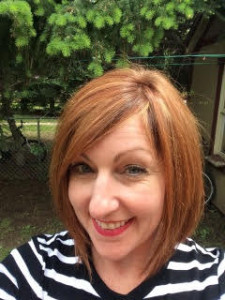
Multiple Needs? Multiple Options: Working Together to Meet the Needs of Multi-Exceptional Students- Estee Aiken UM-W & Tracey Missett- UM
Dr. Aiken worked as a teacher and differentiation coach in elementary classrooms across numerous states for more than a decade. Through her diverse teaching experiences, ranging from urban to rural settings, multi-age to self-contained classrooms, magnet to walk-to programs, she honed the skills necessary to transition to teacher preparation. For the last nine years she has been educating pre-service teachers, predominantly for careers in the field of early childhood. In addition to her interest in the education of young children, Dr. Aiken also works with, presents regionally and nationally about, and conducts research with gifted children. She is currently an associate professor in the Education Department at the University of Montana Western.
Dr. Missett is an Assistant Professor at the University of Montana’s Phyllis J. Washington College of Education and Human Sciences where she currently holds the Suzanne and Dave Peterson Endowed Professorship in Gifted Education. Dr. Missett received her Ph.D. and B.A. from the University of Virginia, her J.D. from the University of California, Hastings College of the Law, and her M.A. from Teachers College, Columbia University. While a doctoral student at the University of Virginia, Dr. Missett was a Graduate Research Assistant on a project of the National Research Center on the Gifted and Talented (NRC/GT) and engaged in research on the effectiveness of the CLEAR Curriculum Model as well as on the impacts of Destination Imagination. Dr. Missett has published multiple articles and book chapters on topics in gifted education, and she has received awards in both curriculum and research from the National Association for Gifted Children.Her primary research interests include twice-exceptional students, gifted students with complex emotional and behavioral profiles, curriculum development, and creativity as a component of giftedness.
Cane Connections: Orientation and Mobility - Kerri Norick, Barbara Balko. MSDB
A description of what Orientation & Mobility(O&M) means and entails will be covered. The role of the O&M specialist will be explained. We will discuss the importance of sensory training and concept development in O&M. The role of fine motor and gross motor skills in O&M will be reviewed. Tactile maps and materials will be explored for teaching simple routes. There will be a hands on cane travel experience for participants to learn the basic components of formal O&M training. Kerri B. Norick, MSDB consultant, TVI/COMS
Barbara Balko is an Outreach Vision Consultant for MSDB serving western Montana. She is a teacher of the visually impaired, a certified orientation and mobility specialist, as well as a deaf-blind specialist. She has a daughter, Katie who is blind (and has multiple challenges). Barb is committed to helping children with vision loss and their families.
Kerri graduated from Montana State University with a bachelor degree in Elementary Education and from the University of Great Falls with a K-12 Special Education Teaching endorsement. Kerri has a master’s degree in special education with an emphasis in teacher of the visually impaired from Stephen F. Austin State University. She also completed certification in orientation and mobility. The past eleven years she has worked as an outreach consultant for children with blindness and visual impairments in southwestern Montana. Kerri enjoys skiing, hiking, running, yoga, traveling, and fly fishing with her husband and two sons in Bozeman, MT.
Postural Care: Training Teams to Build New Routines - Tamara Kittelson-Aldred, Arwen Kittelson-Alred, Posture 24-7
The Montana Postural Care Project is in its second year of funding through the Montana Council on Developmental Disabilities. Results from the first year working with participants throughout the state showed that individuals with strong, committed teams who implemented a postural care approach experienced improvements in body symmetry and sleep quality. These benefits directly translate to improved function during the day. All those working with young children have a role to play! This presentation will outline an approach to 24 hour postural care as a collaborative effort between children and their families, other caregivers, Family Support Specialists, therapists and school personnel. Tamara is an occupational therapist, seating and mobility specialist, and is passionate about 24 hour postural management. She has written and taught about 24 hour postural care and wheelchair seating in the United States and Peru. She is Project Director for the Montana Postural Care Project, funded by the Montana Council on Developmental Disabilities, and Director of Eleanore’s Project, promoting postural care and responsible wheelchair provision in Peru. Tamara also provides clinical positioning and mobility equipment services integrated with 24 hour postural care for children, youth and complex adults in Missoula, Montana. Arwen completed her M.Ed. in special education at the University of Washington in Seattle. For two years prior she taught music to special education students in the Hashemite Kingdom of Jordan as a Peace Corps Volunteer. In the course of her graduate studies she worked extensively at the Experimental Education Unit, followed by 6 years teaching ASD programs in Washington and Minnesota prior to returning to Montana. She has extensive life experience with individuals who have motor impairments, completed 24 hour postural care training in 2014, and began working with Posture 24-7 as part of the Montana Postural Care Project in 2015. She is currently Educational Consultant and Research Assistant with the Montana Postural Care Project, developing courses, assisting with team training and analyzing data obtained through the project.