All session, presenter, location and handouts in one location.
Click on the daily tab to find sessions
Click on the name of the workshop to find handouts, presenter information, etc.
Session 1 | 8:30am - 9:30am
Welcome from Laurie Salo, MCEC President, & Chris Bilant, MCASE President
Keynote: Rob Ash
Getting the Most out of the Conference ”
Location: GranTree Ballroom
Session 2 | 10:00am - 12:00pm
- 1. Hot Topics in Special Education for Educators
Location: GT- Madison
- 2. iPad Boot Camp (repeated in PM)
Location: GT- Hyalite
- 3. Managing the Extra Hands in the Classroom
Location: HI Jefferson
- 4. How To Conduct & Use a Functional Behavior Assessment
Location: HI Montana
- 5. Learning Throughout the Day – Play Based Learning Activities
Location: HI Montana
- 6. Dialogic Reading with Explicit Vocabulary Instruction
Location: HI- State
- 8. Fabulous Functionality: Creating a Successful Transition Between Schools
Location: GT- Aspen
- 9. Navigating Your Schools’ Journey through MTSS
Location: GT- Lewis & Clark
- 10. Creating a Supportive School Environment for Adolescents with Autism
Location: GT- Tamarack
Lunch on your own | 12:00pm-1:15pm
Session 3 | 1:15pm-3:15pm
- 1. Hot Topics in Special Education for Educators
Location: GT- Madison
- 2. iPad Boot Camp (repeat of AM session)
Location: GT- Hyalite
- 3. How to Create Successful Behavior Intervention Plans
Location: HI- Gallatin
- 5. Learning Throughout the Day – Play Based Learning Activities
Location: HI Montana
- 6. Twice Exceptional: Gifted Students with Learning Disabilities
Location: HI State
- 7. Motivating Students with Autism Spectrum Disorder (ASD) to Learn
Location: GT Aspen
- 9. Getting Started with MTSS; Inventive Lessons from Initial Implementers
Location: GT- Lewis & Clark
- 10. Tech Integration using Assistive Technology
Location: GT- Tamarack
Session 4 | 3:30pm – 4:30pm
Cracker Barrell Topics
Visit 2 sessions of your choice. Must go to 2 to obtain credit.
- 1. SAM Update and Advocacy for Special Education
Location: HI- Montana
- 2. NCSC Alternate Assessment Overview & Score Report
Location: GT- Madison
- 3. How to Create Successful Behavior Intervention Plans
Location: HI- Gallatin
- 10. Collaboration & Imagination
GT- Lewis
Session 5 | 8:15am - 9:15am
KEYNOTE: Imagine the Possibilities - Beyond the Chalk- Jeff Crews and Dean Phillips
Location: GranTree Ballroom
Session 6 | 9:30am - 11:30am AND 1:15pm - 3:15pm
- 1. Montana EPAS- Making the Best Better-(Danielson Framework for Special Educators)
Location: HI- Montana
- 4. Twice Exceptional Children- Who are they and How do we Support them?
Location: HI- Board Rm
- 6. Powerful Interaction Fueled by Observational Data
Location: HI-Jefferson
- 7. Imagine the Possibilities- What’s New & Exciting with Technology
Location: GT- Aspen
- 8. The 12 Habits of Effective Educators of Students with ASD
Location: HI- Gallatin
- 9. Making SecondaryTransition Work
Location: HI - University
Session 7 |12:00pm - 1:15pm
Luncheon | Keynote: Mickey Corso | CSPD Awards
Session 6 Continues | 1:15pm - 3:15pm
Session 8 Exhibitor Showcase | 3:30pm - 4:30pm
- 1. Presence Learning: Solving the Nationwide SPED Staffing Shortage with Online Therapy
Location: GT - Madison
- 2. Youth Dynamics: Youth Mental Health First Aid
Location: GT- Aspen
- 3. Read Right Systems: Quickly Transform Struggling Readers to Excellent Readers
Location: GT- Hyalite
- 4. Independent Living Center: Orientation Mobility in Montana
Location: HI- Montana
- 6. Houghton Mifflin Harcourt: Revolutionary Math intervention
Location: HI-University
- 7. Pro-ACT: Meeting the Challenge of Working with Students in Crisis
Location: GT-Lewis & Clark
Session 9 | 8:15am - 11:15am
- 1. MCASE Roundtable Discussion for Special Education Administrators
Location: GT- Lewis & Clark
- 2. Universal Design for Learning: Increasing Engagement and Learning for all Learners
Location: HI- Gallatin
- 3. Google for Teaching and Learning
Location: GT- Hyalite
- 5. Sign Language: Don’t Just Imagine It. Learn it, Improve It, and Laugh!
Location: HI-State
- 6. Navigating the Developmental Disabilities (DD) System and the Quest for Employment
Location: HI - Board Room
- 8. Implementing a System of MTSS to Meet All Students’ Needs
Location: GT- Tamarack
Other activities to make note of throughout the conference.
Wednesday | 12:00pm - 1:15pm
Lunch on your own.
Pre-order a bag lunch from either the GranTree or the Holiday Inn and save time to network! (link coming soon)Wednesday | 3:30pm - 4:30pm
Special Education Coop Directors Meeting
HI- Three Rivers RestaurantWednesday | 4:30pm - 5:30pm
MCASE Board Meeting
GT- AspenThursday | 4:40pm - 5:10pm
Annual MCEC & MCASE Membership Meeting
HI-Gallatin/JeffersonThursday | 4:40pm - 5:10pm
University Credit meeting. If you want University Credit, plan to attend this meeting
HI- MontanaThursday | 5:10pm - 6:30pm
No-Host Social & Light Hors D’oeuvres Door Prizes
MCEC & MCASE Distinguished Service Awards
HI-Gallatin/Jefferson
Hot Topics in Special Education for Educators- Frank Podobnik & Division Staff, OPI
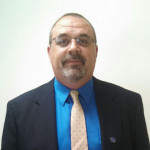
Frank Podobnik
This session is for all CEC participants. The OPI staff will provide updates on current issues in special education, recent court decisions that apply to Montana, recent guidance from OSEP and other topics of interest to the participants.
iPad Boot Camp Jeff Crews & Dean Phillips, Beyond the Chalk
Jeff Crews& Dean Phillips
If you are relatively new to the iPad or just want to learn a few new tricks, this session is a must. You will be led through a series of stations where you will learn new tricks and settings that will put you on your way to mastering your iPad. This is updated to reflect the newest operating system, so be sure to update your iPad.
Managing the Extra Hands in the Classroom- Dr Rosemarie Dugi, MSU- Billings
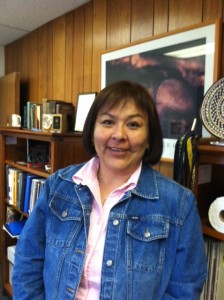
Rosemarie Dugi
This workshop is designed to focus on the needs of classroom teachers in collaborating, organizing and addressing adult classroom supervision.
How To Conduct a Functional Behavior Assessment- Doug Doty & Behavior Consultants, OPI
Learning Throughout the Day – Play Based Learning Activities- Sara Lowen, Jennifer Darlington, & Nicole Peterson DPHHS
Jennifer Darlington

Nicole Peterson
Have you ever heard the question “What are they learning? All they do is play!” Play is an essential component in high quality early learning programs. As children play, they learn to solve problems, to be creative, to get along with others and to develop the fine and gross motor skills needed to grow and learn. MPDG staff will share strategies on how to promote, respond to, guide, and extend children’s play to increase learning. Join us as we share tips and tricks to set up your environment to stimulate creativity, integrate foundational skills, and share great ideas.
Dialogic Reading with Explicit Vocabulary Instruction- Marci Parks, MT Preschool Dev Grant
HANDS ON: Tactile Communication Schedules for Students with Blindness and Visual impairment and DeafBlindness- Kerri Norick & Sharon Woods, MSDB
Sharon Woods
Kerri Norick
Students with blindness or visual impairment and deafblindness learn by involving the use of symbols in the form of words or signs that allow them to communicate their thoughts, ideas, and needs. Many children who are deaf blind learn to communicate with gestures and object or picture symbols. Participants will learn about the importance of tactile learning for students with blindness and visual impairment. Videos, examples and case studies will be reviewed. Participants will have the opportunity to make their own tactile symbol/object for use in their classrooms.
Fabulous Functionality: Creating a Successful Transition Between Schools- Taylor Hassler & Jake West, Helena School District

Taylor Hassler

Jake West
When should transition services start? How do we ensure the most successful and seamless move from middle to high school for our students with special needs? Answers to these questions and more will be covered in this presentation, where we will discuss how we collaborate to help our students gain independence in the areas of daily living skills, interpersonal skills, and employment skills.
Navigating Your Schools’ Journey through MTSS- Marla Dewhirst

Marla Dewhirst
The starting point for improvement is to recognize the need. Multi-tiered System of Support (MTSS) in Montana is being defined and implemented through various delivery systems, but what system fits your school, and where is your need for professional learning? Over the last 3 years, Project REAL has developed the navigational map for MTSS. Administrators as well as school leadership teams are invited to come and gain insight to continue their journey through MTSS. Tools you will learn about include: • MTSS Implementation Rubric and MTSS Implementation Rubric Worksheet • MTSS Action Plan • MTSS Website and Moodle Courses
Creating a Supportive School Environment for Adolescents with Autism- Dana Fitz Gale, UM

Dana Fitz Gale
Teenagers with autism are frequently the targets of bullying in middle school and high school, and are at heightened risk for depression, anxiety, and suicide. This presentation will describe some practical, evidence-based practices that educators, paraprofessionals and typical peers can use to reduce these risks, while creating a positive school climate that embraces autism along with other types of diversity. Key topics will include: use of a multidisciplinary approach, the importance of emphasizing strengths more than deficits, the value of peer-mediated intervention and peer mentorship, use of social skills groups, bystander intervention in bullying scenarios, and methods for teaching self-advocacy skills to adolescents with autism.
New Special Education Administrator Academy- Frank Podobnik, Dick Trerise & OPI staff
Frank Podobnik
This session will provide a broad overview of the role of the special education director. Participants will learn about specific requirements (i.e. data reporting, general supervision, etc.) as well as more general information regarding the IDEA, where to find information, when to seek help, and much more.
How to Create Successful Behavior Intervention Plans - Doug Doty & Behavior Consultants,OPI
Creating Technology Tools to Support Successful Program & Content Standard Implementation- Dennis Juneau, MT Preschool Project
Imagine Family & Community Engagement - Beyond the Bake Sale- Debbie Richert & Sandy Cade, DPHHS

Debbie Richard
Sandy Cade
There is much discussion concerning family and community engagement and its importance in effective schools and positive outcomes for student achievement. Most agree – and the research supports - that when families are actively engaged with their child’s education, children have better academic and social outcomes and schools are more effective. Schools that partner with community agencies and organizations have more support from families, better reputations in their community, and more success as implementing school reform initiatives. This workshop will discuss effective family and community engagement practices and strategies.
Gifted & Talented Students: The Forgotten Exceptionality- Tracy Missett, UM

Tracy Missett
Educators in the fields of special and gifted education are recognizing the existence of students who simultaneously have academic gifts and disabilities that impact learning. These students are often referred to as “twice-exceptional.” The purpose of this presentation is to provide a broad overview of the research on the characteristics of twice-exceptional students, some factors that may limit their identification for educational services directed towards either their gifts or disabilities, and instructional strategies that support their academic development.
Motivating Students with ASD to Learn- Ann Garfinkle, UM

Dr. Ann Garfinkle
This session will discuss how to motivate students with ASD to learn. Students with ASD are often challenging to engage in instruction. Drawing from the motivational field and the autism literature, this session will provide participants with information to better understand the many reasons that students with autism many not be participating in instruction as well as practical advice to help increase participation.
Brave New World: Vocational Rehab and Blind Services and the Workforce Innovation and Opportunity Act- Mark Mahnke- Voc Rehab

Mark Mahnke
This session will provide information on the new initiatives taking place with the VRBS program. Covered topics: changes to the VRBS program from the WIOA, Pre-Employment Transition services, limiting sub-minimum wages for individuals with intellectual or developmental disabilities. In particular, the funds available to schools for Pre-Employment Transition Services. Examples of new initiatives and programs using these funds.
Getting Started with MTSS; Inventive Lessons from Initial Implementers- Marla Dewhirst
Marla Dewhirst
Multi-tiered Systems of Support (MTSS) in REAL schools: how has it made a difference? What strategies kept initial implementer’s going? These questions will be discussed and the systems, tools, and training that support implementation will be shared. An Elementary, Middle School and High School will share their building leadership structure, communication system, reading, math, and behavioral pathways (including screeners and decision rules), triangle of tiered supports and words of wisdom. Tools you will learn about include: • The Hexagon Tool • MTSS Consultation Plan
Tech Integration using Assitive Technology- Alison Feddes, Luci McCausland, & Kristi Jacobs, Bozeman School District

Alison Feddes & Luci McCausland
Presenters will share how to spark and fuel learning through utilizing best practices in K-5 ELA instruction to enhance understanding and engagement, access technology, and assess progress. Assistive Technology provides new opportunities for all students to think critically, collaborate, and actively build knowledge.
SAM Update and Advocacy for Special Education- Pat Audet, SAM

Patrick Audet
An overview of the key elements of the SAM Strategic Plan with a focus on Advocacy for special education. Learn about the efforts underway to support special education state funding and the special needs of special education cooperatives.
NCSC Alternate Assessment Overview and Score Reports- Yvonne Field- OPI

Yvonne Field
This presentation will provide an overview of the NCSC Alternate Assessment and the results reports. The structure of the assessment will be explored through exploration of the online sample items. Results report types will be introduced along with the interpretive report that will aid teachers in understanding the results reports. The IEP requirements for registration and accommodations documentation will be covered as well.
Using Google Forms to Track Student Behavior- Jeff Crews
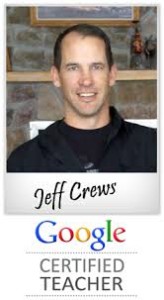 Learn how to create a simple Google Form to collect student behavior information, and analyze the collected data.
Using Google Classroom to Connect with Students and Parents- Dean Phillips

Learn to leverage Google Classroom to manage your classroom activities, keep assignments organized, and communicate with both students and parents.
Gifted and Talented Students: The Forgotten Exceptionality-Tracy Missett, UM
Tracy Missett
This Cracker Barrel presentation will provide an introduction to the nature and needs of gifted and talented students, and will bust many myths that exist regarding this group of students. Topics specifically addressed include mechanisms for identifying diverse gifted students, their overall positive social and emotional health outcomes, and research-based academic interventions that support their academic development including acceleration.
Picture Book Palooza- Maureen Kampfe, OPI
Imagine Inviting a Child to Play- Sandy Cade, DPHHS
Sandy Cade
Invitation to Play is a wonderful to engage preschool children to engage them in learning, collect, skill based information , and build relationships through one on one interaction.
How the OPI Montana Autism Education Project Can Help You!- Doug Doty, OPI
Imagine Possibilities for Children with Autism with Vision Loss- Sharon Woods, MSDB
Sharon Woods
This short presentation will introduce the audience to identification of autism in individuals with vision loss along with how the combination of these challenges create opportunities for teams to develop unique strategies while utilizing tried and true interventions.
Collaboration with Imagination- Libby Johnson, Red Lodge High School
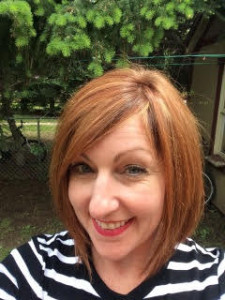
Libby Johnson
The Red Lodge High School Youth Internship Program, in partnership with Montana Vocational Rehabilitation and the Montana Center for Inclusive Education, allows students the opportunity to consolidate and apply the learning from their high school course work into a meaningful and relevant on-the-job-experience. The internship experience is based on the student’s chosen career path, and engages community partners in providing pre-employment transition services (PETS) through a variety of means including e-mentoring, job shadowing, expert seminars, and worksite experiences in a rural transition environment. Join us to learn how you might replicate this valuable program in your own community.
Age Appropriate Transition Assessments & Portfolios- Tim Garrett, Helena Schools
Tim Garrett
I will present the Portfolio that was designed by the Project for Alternative Learning (PAL). After several years of researching other programs and interviewing employers, schools, and other training programs, PAL designed a comprehensive portfolio requirement. A student example will be presented. The process to complete the portfolio will be discussed and its contents. It will include a wide variety of completed activities as well as copies of assessment. Included in this discussion will be the transitional assessments that have been researched and suggested for use by the transition project headed by Marla Swanby. The discussion will discuss the use of these tools as well as the ones most appreciated by the PAL staff and ones that parents found most helpful. There will be some discussion on Job Shadows and Job Experiences and the use of assessments in preparing students for work.
Building the “Reading House” Oral language skills, Activities & Assessments
Ann Ellsworth
The purpose of this hands-on session is to share activities that measure young students’ language competence at various levels: word, syllable, and onset/rime, Activities are versatile and can serve for instructional or assessment purposes. Reading teachers know that oral language lays the groundwork for learning to read. Students with strong phonological awareness skills are more likely to read with confidence and skill; thus, providing this foundation is critical to reading success.
KEYNOTE- Imagine the Possibilities- Jeff Crews & Dean Phillips, Beyond the Chalk
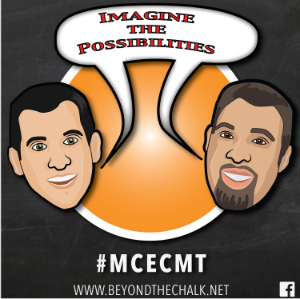
Jeff Crews& Dean Phillips
Come be inspired and learn about what all the possibilties can be for students with disabilities and without through the use of technology.
Montana EPAS--Making the Best Better- Kathleen Dent, Consultant
Kathleen Dent
The Montana Educator Performance Appraisal System is the voluntary state model for continuous professional growth for teachers based on the Danielson Framework for Effective Teaching. This session will discuss an overview of the MTEPAS framework, rubrics for use in goal setting and collaborative conversation, and use of the model to change your instructional effectiveness. Included will be a discussion of the new scenarios developed by the Danielson group to assist special education teachers with instructional strategies to meet individual student needs.
Supervision and Management of Paraprofessionals- Meeting the Needs of Administrators, Educators & Paraeducators- Brenda Mast & Barbara Stimson, OPI Paraprofessional Consortium
Barbara Stimson
This workshop will address the critical issues of roles and responsibilities in paraeducator supervision and management from a variety of perspectives. An overview of the critical roles and responsibilities of administrators, educators and paraeducators will be provided. Information will shared regarding curriculum (Paraeducator Academies) available for in-depth training of paraeducators. This curriculum is designed to be presented and utilized by local educators and support personnel.
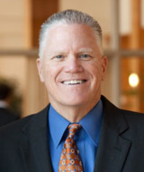
CASE Hybrid Conference Actualizing the Practice: Identification of SLD within RTI/MTSS Framework- George Bartsche
George Bartsche
Participants will be included in the CASE Hybrid conference online. George Bartsche will be sharing information about the identification of SLD students within the RTI/ MTSS Framework. Information about the LD Eligibility and the the RTI Framework.
2. RTI-based_SLD_Determination_Worksheet
3. SLD Data Summary Sheet
4. CASE Hybrid Audience Discussion Questions 1 page
1. 2016 Combined bios
2. Hybrid Conference Agenda
3. Communication Cards-Copy, cut and hand to each participant.pdf
CASE Products Order Form
CASE Save the Dates 2016
CASE Night 2016 Registration Flyer
CASE Save the Date Fall Conference Call for Abstracts
Directions for downloading the CASE Conference App
2016 CASE Conference flyer
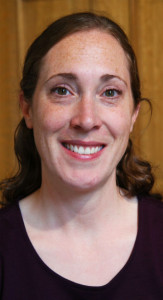
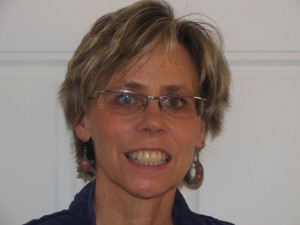
Twice Exceptional Children- Who are they and How do we Support Them? - Estee Aiken & Terri Porsche, AGATE
Estee Aiken
Terri Porisch
Twice exceptional (2e) learners are individuals who demonstrate both giftedness and disability. Often, due to their dual diagnosis, neither area is addressed effectively, if at all. In this session, we will examine who these students are, how they can be identified, and, possibly most importantly, how we can meet the unique needs.
Aspirations: Imaging the Developing the Dreaming and Doing of Every Student- Mickey Corso, Quaglia Institute

MickeyCorso
In this session participants will learn about QISA’s Aspirations Framework and the critical importance of Student Voice if we are to inspire all students to dream about their futures and work in the present to reach their full potential. Three decades of research has shown that developing the Self-Worth, Engagement, and Purpose of all students should be a key component of schooling. While a focus on academics is important, attention to the teaching and learning environment is also critical if we want our students to be academically, as well as personally and socially, successful
Powerful Interaction Fueled by Observational Data- Jill Christensen & Maureen Kampfe, OPI
Imagine the Possibiities- What's New & Exciting with Technology - Jeff Crews & Dean Phillips, Beyond the Chalk.
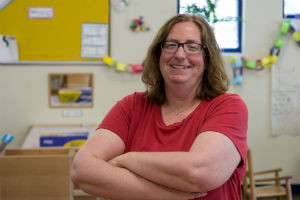
Since late 2011, MinecraftEdu has made its way to thousands of classrooms around the world. It has been used to teach all kinds of skills and subjects from math to foreign languages to social justice to fair trade. MinecraftEDU can act as a powerful bridge between physical and virtual classrooms, fostering critical 21st century skills. These skills include creating curious and creative individuals through experiences and knowledge that follow up with their findings at home after school hours. Additionally, making the school a more democratic place where students feel that they are an important part of school work, development, and the decision making process has the potential to increase student engagement and learning. Learn how MinecraftEDU can be used in a classroom setting with all learning types and abilities. This workshop will introduce you to the incredibly flexible world of Minecraft and begin exploring through actual game play, how to incorporate this tool into your teaching. The 12 Habits of Effective Educators of Students with ASD - Ann Garfinkle
Dr. Ann Garfinkle
Students diagnosed with ASD can be challenging for educators and other school personnel for a variety of reasons. Further, the diversity of the population can make it challenging for practitioners to gain enough experience so that they feel comfortable and confident in their teaching students diagnosed with ASD. This session will present an overview and explanation of the skills needed to work with this population.
Making Secondary Transition Work- Marla Swanby, OPI; Tim Garrett & Taylor Hassler, Helena School Distric

Marla Swanby
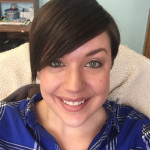
Taylor Hassler
The presenters will be sharing practical information on employment, living skills, assessments, transition services needed and adult services providers in order to assist teachers in helping students through the Secondary Transition process. Come and join in the conversation.
Tools to Build Connections & Improve Conversation for Coaches, Consultants & School Change Agents - Cass Rocco, Consultant
Cass Rocco
Peer and instructional coaches, consultants and anyone who promotes new learning to adults in a school is required to do more than just know what works. Connections that foster effective dialogue must be cultivated in order to improve instructional practices that continue when the coach leaves. Research has shown us that old school “preach to teach” does not deliver lasting change. This session introduces and reviews: >skills to enhance communication through “Better Conversations”, >methods for self-assessment (for coaches and those being coached) >tools to development on- site support to maintain professional learning
Presence Learning: Solving the Nationwide SPED Staffing Shortage with Online Therapy- Jon Castillo
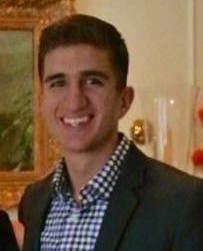
Jon Castillo
Online delivery of special education services - from behavioral interventions to mental health to occupational therapy to speech/language services - is rapidly becoming a means of reaching 21st century learners. Online therapy gives districts a practical, cost-effective tool to ensure that all students receive the high quality services they need to access the curriculum in the least restrictive environment possible, while dealing with staff shortages, relieving unmanageable caseloads and fulfilling service in hard to reach places. Join PresenceLearning as they demonstrate a better way forward with online therapy.
Youth Dynamics: Youth Mental Health First Aid- Kristin Thompson
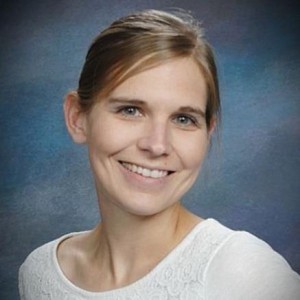
Kristin Thompson
A short introduction to a free training that is offered across the state of Montana and can be requested by any school and provided free of charge. Youth Mental Health First Aid USA is an 8 hour public education program which introduces participants to the unique risk factors and warning signs of mental health problems in adolescents, builds understanding of the importance of early intervention, and teaches individuals how to help an adolescent in crisis or experiencing a mental health challenge. Mental Health First Aid uses role-playing and simulations to demonstrate how to assess a mental health crisis; select interventions and provide initial help; and connect young people to professional, peer, social, and self-help care.
Read Right Systems: Quickly Transform Struggling Readers to Excellent Readers- Dee Tadlock
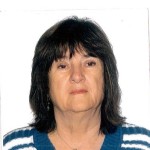
Dee Tadlock
Insanity is continuing to do things the way we have always done them and expecting to get different results.” Learn about an innovative reading intervention model that relies on the plasticity of the brain to remodel the neural network that, in poor readers, guides the reading act inappropriately. The model is based on theoretical constructs that challenge mainstream thinking in the field of reading. Come learn about this paradigm shift. Research results will be presented that confirm the power of the model to dramatically transform struggling readers—including RTI, special education, and English language learners—to excellent readers in a matter of months—not years!
Independent Living Center: Orientation Mobility in Montana- Melanie Bush
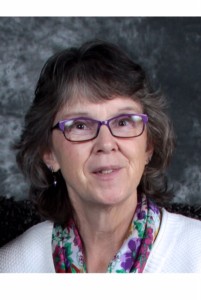
Melanie Bush
- Brief explanation of Orientation and Mobility. Explanation of how birth to 3 children with visual impairments and their parents and other professionals working with them will benefit from regular, one-on-one O&M instruction.I am a Certified Orientation & Mobility Specialist and I teach people who are blind or have low (reduced) vision how to travel safely and efficiently in familiar and unfamiliar settings with a long cane. During my career I have taught people of all ages, with the youngest student being two years old and the oldest ninety-two years old. Employment experiences include working for an area education agency, residential school for the deaf & the blind, a state agency that serves adults, and private contracting. Currently I provide Orientation and Mobility instruction to children age birth to twenty-one and veterans through Montana Independent Living Project.
Special Olympics MT: Inclusive Young Athletes Program (All Students Ages 2-7)- Allie Stockburger
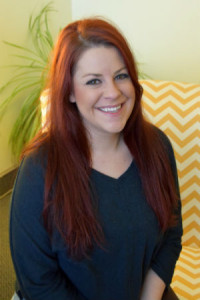
Allie Stockburger
Special Olympics Montana (SOMT) has a program developed for students ages 2-7. The Young Athletes Program (YAP) is a unified sports opportunity, which means students with and without disabilities participate together. YAP is an innovative sports play program for children and is designed to introduce them into the world of sports. The activities will help the students with and without intellectual disabilities to share in the development of their gifts and skills.
Houghton Mifflin Harcourt: Revolutionary Math Intervention- Janet Bales
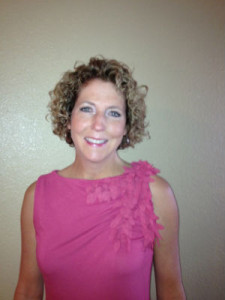
Janet Bales
What if your struggling middle school math students WANTED to attend math class? Successful math intervention in middle school has been difficult to achieve. No longer! Learn how many educators are revolutionizing their instructional practices and student engagement through the implementation of MATH 180. Data is used to appropriately place and monitor students as they progress to Algebra success. This session will use a demonstration model and provide access for all participants to further explore MATH 180 at their convenience.
Pro- Act: Meeting the Challenge of Working with Students in Crisis- Richard Van Acker

Richard Van Acker
Pro-ACT is a nationally recognized program that provides training and consultation to professionals working with potentially aggressive people. The Pro-ACT program presents principles for managing potentially dangerous and dangerous behaviors.
MCASE Roundtable Discussion for Special Education Administrators: Changes in Montana Special Education- Frank Podobnik, OPI and Chris Bilant, M
Chris Bilant
Frank Podobnik
This session is for special education directors. The OPI staff will provide updates on current issues in special education, recent court decisions that apply to Montana, recent guidance from OSEP and other topics of interest to the participants.
Universal Design for Learning: Increasing Engagement and Learning for all Learners- Dr. Morgen Alwell , UM & Neil Murray & Teri Daniels, MCPS

Dr. Morgen Alwell
Teri Daniels

Neil Murray
Universal design for learning (UDL) is an evidence-based framework that assists educators to make learning accessible to all students. Participants will learn the basic principles of UDL, and through many elementary and middle school examples, recognize the ease and elegance of applying these in their own teaching. Follow up resources will be identified. Participants will have the opportunity to share their own examples of UDL application.
Google for Teaching and Learning- Jeff Crews & Dean Phillips
Has your school has gone Google? This workshop will lead you through the core tools, pointing out features specific to helping teachers become more efficient and connected to colleagues, students, and parents. The focus of this workshop will be on Google Docs, Google Forms, Google Classroom, and Add-Ons for each that will help you become a Google Ninja! The Talking Foundations of Phonology: An overview of oral language and phonological instruction in PreK- Danielle Thompson, OPI
Danielle Thompson
In this session you’ll be reminded of a mindful quote by a teacher who said, “a rich language environment is like oxygen. It’s easy to take for granted until you see someone who isn’t getting enough.” This session will discuss the importance and depth of oral language and how it fosters all language development. It will also address how oral language build phonological awareness and skills. You’ll be learn more about language as well as how to bring it to life in your classrooms.
Sign Language: Don't Just Imagine It. Learn it, Improve It, and Laugh!- Sarah Eyer & Jenn Wasson, Michelle Betcher MSDB

Sarah Eyer
This presentation is appropriate for beginners as well as people who already know some sign language. The MSDB Outreach team will group participants based on their abilities and goals for learning sign. MSDB’s team will teach basic vocabulary, features to make your signing more expressive, and resources to continue improving. Don’t just imagine being able to sign. Join us to learn it, improve it…and laugh.
Navigating the Developmental Disabilities (DD) System and the Quest for Employment- Kelly McNurlin, DD
Career Exploration Resources to Prepare Students for Workforce and/or College- Donetta McDowell, MT Dept of Labor & Industry
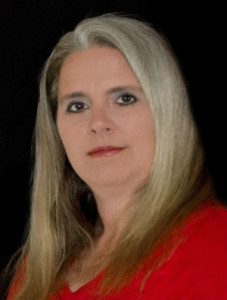
Donetta McDowell
Montana will be facing a workforce shortage which means we need to prepare all students to fill this need. This interactive presentation will help students understand lifestyle choices and occupations that will help match those choices and an activity that compares occupations by education and training requirements.
Implementing a System of MTSS to Meet All Students' Needs- Julie Cruse & Paula Schultz, Susan Bailey Anderson, OPI
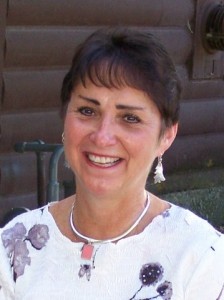
Susan Bailey Anderson
Julia Cruse
OPI specialists and consultants will present the process for implementing an MTSS system, including strategies for both challenged and high ability/high potential learners. The session will provide an overview of MTSS in Montana, a variety of resources that educators can use to understand and meet the needs of our students, and strategies for managing a classroom of learners with a broad variety of needs. Participants will have an opportunity to practice and build a plan for their own schools and classrooms, as well as links to resources, mentors, and consultants for assistance in the process.
Functional Analysis and Interventions for Sexual Behavior in Adolescents/Young-Adults with Autism and Related Disorders- Cheryl Young-Pelton, MSU-B & Brett Gilleo, Big Sky Therapy
Cheryl Young-Pelton
As a large number of children grow up to become adolescents and young-adults with autism, issues with puberty, sexual behavior, and safety must be addressed in an ethical yet responsible way. This presentation will discuss functional analysis of automatic reinforcement and successful interventions to address puberty, sexual behavior, and safety.