
All session, presenter, location and handouts in one location.
Click on the daily tab to find sessions
Click on the name of the workshop to find handouts, presenter information, etc.
Session 1 | 8:450am - 9:45am
WELCOME & ANNOUNCEMENTS: Getting the Most out of the Conference
It’s Easier to Reach for the Stars When We Work Together - Marilyn Friend
Marilyn Friend, CoTeaching
In today’s schools, more than ever before, an expectation exists that professionals will ensure that all students reach their potential. But too often this expectation remains more a hope than a reality. Why? Do we need more personnel? Higher standards? Better budget? More technology? Perhaps…but without a doubt, ensuring student success cannot be accomplished without meaningful collaboration among all educators. This thought-provoking session emphasizes the potential and complexities of collaboration and demonstrates how a renewed commitment to working together can enable us to make a difference in all students’ lives.
Location: Grant Creek Ballroom ABCD
Session 2 | 10:00 am - 12:00 pm
- 7. Job Ready- Bill Bourdreaux & Lisa Fall- Frenchtown High School
Location: Bitteroot ABC
Session 3 | 1:15pm -3:15pm
- 6. Storybook Palooza- Maureen Kampfe, OPI
Location: Salon B
Session 4 Exhibitor Showcase | 3:30pm - 4:30pm
Choose 2 (25 minute) sessions to attend. Must attend both sessions to receive credit.
- 1.McGraw Hill Education
Location: Salon A
- 2. PAXIS Institute: The Good Behavior Game
Location: Salon D
- 3. Montana Independent Living Project
Location: Salon C
- 4. Highlights from the 2018 National CEC Conference
Location: Salon E
- 5. Montana Schools Recruitment Project
Location: Salon F
Session 5 | 8:00am - 9:00am
KEYNOTE: KEYNOTE: Reaching & Teaching All Learners- Dr. Laurie Barron
Location: Grant Creek Ballroom ABCD
Session 6 | 9:15am - 11:15am
- 1. Emerging Legal Issues in Special Education - Bea Kaleva, Kaleva Law
Location: Salon E
- 3. Science Hands on Exploration: Tinker Labs- Part 1- Terri Barclay, OPI
Location: Salon F
- 4. Google Form Data Collecting Made Easy - Laura Cline, Big Sandy Schools
Location: Bitterroot ABC
Session 7 |11:45am - 1:00pm
CSPD Awards Luncheon
Grant Creek Ballroom (ABCD)
Session 8 | 1:30pm - 3:30pm
Session 9 | Cracker Barrel Presentations| 3:50pm - 4:50pm
- 4. Social Skills Circle Time- Grace Decker
Location: Bitterroot C
- 5. Engaging Men in Early childhood- Jody Lehman, OPI
Location: Clark Fork Boardroom
- 6. Terrific Transitions- Maureen Kampfe, OPI
Location: Bitterroot B
Session 10 | 8:00am - 11:15am
9:45-10:00 Break | Last chance to visit exhibitors
- 4. Playful Instruction and Planful Play - Dr. Lucy Hart Paulson, UM
Location: Salon D
- 7 If You Only Knew What I Was Saying- Cathy Jury, Mt School for Deaf & Blind
Location: Bitterroot C
Other activities to make note of throughout the conference.
Wednesday | 12:00pm - 1:15pm
Lunch on your own.
Wednesday | 4:30pm - 5:30pm
MCASE Board Meeting
Location: Salon AUniversity Credit meeting. If you want University Credit, plan to attend this meeting
Location: Salon BThursday | 5:00pm - 5:30pm
Annual MCEC Membership Meeting
Location: Salon EThursday | 5:40pm - 7:00pm
No-Host Social & Light Hors D’oeuvres Door Prizes
MCEC & MCASE Distinguished Service Awards
Location: Grant Creek Ballroom - Salon DFriday| 11:45 - 1:45
MCEC Board of Governors Spring Board Meeting
Location: Clark Fork Board RoomFriday| 12:00 - 1:30
Montana Schools Recruitment Committee
Location: Blackfoot Board Room
1. Co-Teaching: Reaching All Learners through Classroom Partnerships—Part I - Marilyn Friend
Marilyn Friend
Part I: Co-teaching is one way that professionals ensure that students with disabilities access the general curriculum at the same time that they receive special education services. This session will focus on the essential elements of co-teaching, including what it is and what it looks like when implemented with fidelity. NOTE: This session is related to the follow-up session by the same name but can be meaningfully attended without participating in the second session.
2. Hot Topics in Special Education for Educators- Frank Podobnik/ OPI (Spec Ed Directors: See Friday Session)
The OPI Special Education staff will provide information regarding emerging trends and hot topics in special education policy and practice. The staff will provide ample opportunity to answer participant questions
The OPI Special Education division is made up of a spectacular group of skilled professionals with backgrounds in teaching, school administration, school psychology, speech/language pathology, adult learning, low incidence disabilities, assessment, and other areas.
3. The Birds and the Bees: Puberty, Hygiene, Safety and Sexuality for Youth with Autism Spectrum Disorder, Part 1 Natalie Montfort
This presentation covers a much needed and little talked about area for youths with ASD. Youths with intellectual and/or developmental disabilities are twice as likely as their typically developing peers to be victims of physical or sexual abuse. Information regarding puberty, hygiene, and sexuality relates to keeping children with ASD safe. Areas covered can easily become target behaviors, objectives for IEPs, or treatment goals for youth with ASD.
Topics include:
What to Expect (and what you might not expect.)
Hygiene
Clothing Matters
Personal Safety
Rethinking “The Talk”
Teaching Anatomy
and more!
Dr. Montfort is the Director of the Stewart Center at Westview School in Houston. She is licensed as a clinical psychologist in the state of Texas and obtained her PhD after successfully completing advanced coursework in psychology, behavioral sciences, cognitive behavioral therapy, and developmental and diagnostic assessments.
4. Zero to 60: Getting New Staff, Subs, and Volunteers up to speed with Positive Guidance- Grace Decker, Child Care Resources
Grace Decker
Positive guidance practices are the foundation of smooth classroom management, and the basis for supporting children’s social skills. It’s important that every person working in a preschool setting understand, and use, some key positive guidance practices, starting on day 1. This course will give you practical tools and strategies that will refresh YOUR “positive guidance toolbox” and also help you get new staff, substitutes, and volunteers from “zero to sixty” when it comes to social-emotional teaching.
5. Expanding Your Toolbox; How to integrate Zones of Regulation across the school setting- Michelle Swank, Columbia Falls School District (this session will be repeated on Friday morning)
Michelle Swank
This course will provide strategies on how to integrate Zones of Regulation within the classroom environment in connection with developing regulation tools to help guide student’s self- regulation skills to generalize within the classroom setting.
6. Individualized Learning During Center Time- Anaconda School District Preschool Teaching Teams and Maureen Kampfe
Maureen Kampfe
Center time provides children with an opportunity for powerful hand on learning. When teachers intentionally plan the environment, materials and activities for independent choice time, children can take charge of their learning through exploration and small group interactions. In this session, learn practical tools and techniques to increase the quality of interactions and learning that can occur during choice time.
7. Job Ready- Bill Bourdreaux & Lisa Fall- Frenchtown High School
Presenters: Bill Boudreaux (Lifeskills Teacher) and Lisa Fall (Vocational Skills Specialist) The vocational skills program at Frenchtown High School includes a variety of workplace experiences such as a logical progression of duties for students from supervised jobs in the classroom for seventh graders to off campus paid employment for juniors and seniors. We plan to discuss our program and it’s components including the unique course offerings such as paid employment in the school store and a year long course in Soft Skills as well as task analyses that are specific to students’ preferences and abilities.
Bill was born in Thibodaux Louisiana, attended High School in Pelham Alabama and earned a BFA with a Photography Concentration from the University of Montevallo in Alabama.
After college I moved to Colorado to ski for a season before going back to school to do a fifth year teacher certification program. That one ski season turned into ten years working at various ski areas and on whitewater rivers as a photographer. I like to say that I had my retirement before my career.
Finally in 1996 I got around to getting a teaching endorsement in Art and Technology from Fort Lewis College in Durango and began teaching at Durango High school where I stayed until 2006. During that time I also got married to a forest ranger and began a family. In 2006 we moved our family to Powell WY with my wife’s job in the Forest Service. Then moved to Frenchtown Montana in 2010. In my free time, I still enjoy many outdoor adventure sports and I spend as much time on the river as I can.
1. Co-Teaching: Reaching All Learners through Classroom Partnerships—Part 2 - Marilyn Friend
Marilyn Friend
Part II: Knowing the basics of co-teaching is a good start, but it is not enough to ensure all students’ needs are addressed. This session will focus on all those other matters that can enhance or impede co-teaching, from the need for common planning time through the delivery of specially designed instruction to issues such as scheduling, staffing, and other audience-generated concerns. NOTE: This session is related to the previous session by the same name but can be meaningfully attended without participation in the first session.
“
2. Helpful Tips for New Special Education Directors -Frank Podobnik, Dick Trerise & OPI staff
This session will provide helpful tips for new(ish) special education directors, aspiring special education directors, or for anyone interested. The OPI Special Education staff will provide tips for new directors on how to manage the many demands of special education leadership. Tips on striking a balance between compliance and results, managing the large amount of information, prioritizing where your focus your energies, and other topics will be discussed.
3 The Birds and the Bees: Puberty, Hygiene, Safety and Sexuality for Youth with Autism Spectrum Disorder, Part 2 Natalie Montfort
This presentation covers a much needed and little talked about area for youths with ASD. Youths with intellectual and/or developmental disabilities are twice as likely as their typically developing peers to be victims of physical or sexual abuse. Information regarding puberty, hygiene, and sexuality relates to keeping children with ASD safe. Areas covered can easily become target behaviors, objectives for IEPs, or treatment goals for youth with ASD.
Topics include:
What to Expect (and what you might not expect.)
Hygiene
Clothing Matters
Personal Safety
Rethinking “The Talk”
Teaching Anatomy
and more!
Dr. Montfort is a national expert on neurodevelopmental disorders, Autism Spectrum Disorders, and Cognitive Behavioral Therapy.
Dr. Montfort is the Director of the Stewart Center at Westview School in Houston. She is licensed as a clinical psychologist in the state of Texas and obtained her PhD after successfully completing advanced coursework in psychology, behavioral sciences, cognitive behavioral therapy, and developmental and diagnostic assessments.
4. Writing Data Friendly, Individualized IEP Goals- Teri Dierenfield, West Valley School
Teri Dierenfield
The attendees will get opportunities to analyze goals, write goals, and create data tracking tools that are practical and relevant to them. We will cover goals in math, reading, writing, self-help/independence, social/emotional/behavioral, and more as needed by the group. Curriculum and instruction will be discussed as far as it relates to writing goals and keeping data. Leadership and relationship skills will be discussed regarding using paras and teachers to help keep data necessary for goals.
5. Measuring Success- Libby Johnson, Yellowstone-West Carbon County Spec Serv Cooperative
Libby Johnson
Learn to decipher the causes and patterns of difficult student behaviors through a Functional Behavior Assessment and match them with proven interventions and strategies that get students back on track academically and behaviorally. Explore and apply a variety of data collection tools through videos, activities, and examples, and discuss the common pitfalls that sabotage behavioral intervention plans and what to avoid when wanting to make significant behavioral changes. Discuss setting limits that work and the application of positive interventions for task avoidance, escape motivated, and attention seeking behaviors. Positive reinforcement, visual supports, work initiation, structured breaks, and transition support strategies will be addressed.
6. Storybook Palooza- Maureen Kampfe, OPI
Maureen Kampfe
Engaging children in a good story is a wonderful way to explore and connect the Montana Early Learning Standards to classroom experiences. Come join us as we discover the best in new picture books and how they can support learning and development. You will leave this session with a new list of books in your pocket to share with the children throughout the year.
3.7 Pre-Employment Transition Service Options at MCPS
Ashley House
Pre-Employment Transition Service Options at MCPS- Heather Nile, Ashley House, LanAnn Bryant, Laurie Zinke. Each high school within MCPS offers students several educational and work options to assist students with making choices for life after high school. The main categories of education and training are: job exploration and counseling, work based learning, counseling on enrollment in transition or post secondary transition, workplace readiness training, social skills, independent living and self advocacy.
Brave New World: Vocational Rehab and Blind Services and the Workforce Innovation and Opportunity Act- Mark Mahnke- Voc Rehab

Mark Mahnke
This session will provide information on the new initiatives taking place with the VRBS program. Covered topics: changes to the VRBS program from the WIOA, Pre-Employment Transition services, limiting sub-minimum wages for individuals with intellectual or developmental disabilities. In particular, the funds available to schools for Pre-Employment Transition Services. Examples of new initiatives and programs using these funds.
Getting Started with MTSS; Inventive Lessons from Initial Implementers- Marla Dewhirst
Marla Dewhirst
Multi-tiered Systems of Support (MTSS) in REAL schools: how has it made a difference? What strategies kept initial implementer’s going? These questions will be discussed and the systems, tools, and training that support implementation will be shared. An Elementary, Middle School and High School will share their building leadership structure, communication system, reading, math, and behavioral pathways (including screeners and decision rules), triangle of tiered supports and words of wisdom. Tools you will learn about include: • The Hexagon Tool • MTSS Consultation Plan
Tech Integration using Assitive Technology- Alison Feddes, Luci McCausland, & Kristi Jacobs, Bozeman School District

Alison Feddes & Luci McCausland
Presenters will share how to spark and fuel learning through utilizing best practices in K-5 ELA instruction to enhance understanding and engagement, access technology, and assess progress. Assistive Technology provides new opportunities for all students to think critically, collaborate, and actively build knowledge.
4.1 McGraw Hill Education
Our vision is to unlock the full potential of each learner.
Our mission is to accelerate learning through intuitive, engaging, efficient and effective experiences – grounded in research.
At McGraw-Hill Education, we believe that our contribution to unlocking a brighter future lies within the application of our deep understanding of how learning happens and how the mind develops. It exists where the science of learning meets the art of teaching.
4.2 PAXIS Institute - Claire Richardson
Claire Richardson, PAX Good Behavior Game
An introduction to the PAX Good Behavior Game to assist with working with students who have hyperactive behavior, emotional problems, aggressive or violent behavior, who have been exposed to trauma or insecurity, have developmental issues, as well as to assist staff are experiencing personal and professional stress.
Claire S. Richardson is the PAX Good Behavior Game Lead International Trainer and a Consultant with PAXIS Institute, which is based in Tucson, Arizona. She is also a trainer of the Simple Gifts initiative. Claire conducts numerous trainings annually and provides on-going consultation for PAXIS prevention and research projects in 38 states in the U.S., the provinces of Alberta and Manitoba, Canada, and in Estonia. Presently, she is organizing and facilitating the Indigenous PAX Gathering which are occurring every six months. Much of her recent prevention work focuses on low-cost evidence-based kernels and behavioral vaccines. Claire is one of the co-creators behind the PAX Good Behavior Game™. She provides frequent workshops and lectures along with Dr. Dennis Embry on children’s brain development, prevention and social policy using low-cost or no-cost practices. She also gives workshops and presentations on community-based approaches to reducing drug endangerment.
4.3 Montana Independent Living Project
A brief introduction to Montana Independent Living Project, who we are, what we do, and who we serve.
4.5 Montana Schools Recruitment Project
Learn about the Montana Schools Recruitment Project and what they have to offer you.
4.4 Highlights from the 2018 National CEC Conference
Lowell Long and Erin Baer from the MCEC Board attended the CEC Annual Conference held this month. Learn first what they brought back in terms of changes.
Picture Book Palooza- Maureen Kampfe, OPI
Imagine Inviting a Child to Play- Sandy Cade, DPHHS
Sandy Cade
Invitation to Play is a wonderful to engage preschool children to engage them in learning, collect, skill based information , and build relationships through one on one interaction.
How the OPI Montana Autism Education Project Can Help You!- Doug Doty, OPI
Imagine Possibilities for Children with Autism with Vision Loss- Sharon Woods, MSDB
Sharon Woods
This short presentation will introduce the audience to identification of autism in individuals with vision loss along with how the combination of these challenges create opportunities for teams to develop unique strategies while utilizing tried and true interventions.
Collaboration with Imagination- Libby Johnson, Red Lodge High School
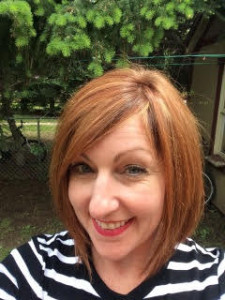
Libby Johnson
The Red Lodge High School Youth Internship Program, in partnership with Montana Vocational Rehabilitation and the Montana Center for Inclusive Education, allows students the opportunity to consolidate and apply the learning from their high school course work into a meaningful and relevant on-the-job-experience. The internship experience is based on the student’s chosen career path, and engages community partners in providing pre-employment transition services (PETS) through a variety of means including e-mentoring, job shadowing, expert seminars, and worksite experiences in a rural transition environment. Join us to learn how you might replicate this valuable program in your own community.
Age Appropriate Transition Assessments & Portfolios- Tim Garrett, Helena Schools
Tim Garrett
I will present the Portfolio that was designed by the Project for Alternative Learning (PAL). After several years of researching other programs and interviewing employers, schools, and other training programs, PAL designed a comprehensive portfolio requirement. A student example will be presented. The process to complete the portfolio will be discussed and its contents. It will include a wide variety of completed activities as well as copies of assessment. Included in this discussion will be the transitional assessments that have been researched and suggested for use by the transition project headed by Marla Swanby. The discussion will discuss the use of these tools as well as the ones most appreciated by the PAL staff and ones that parents found most helpful. There will be some discussion on Job Shadows and Job Experiences and the use of assessments in preparing students for work.
Building the “Reading House” Oral language skills, Activities & Assessments
Ann Ellsworth
The purpose of this hands-on session is to share activities that measure young students’ language competence at various levels: word, syllable, and onset/rime, Activities are versatile and can serve for instructional or assessment purposes. Reading teachers know that oral language lays the groundwork for learning to read. Students with strong phonological awareness skills are more likely to read with confidence and skill; thus, providing this foundation is critical to reading success.
KEYNOTE: Reaching & Teaching All Learners- Dr. Laurie Barron
1. Emerging Legal Issues in Special Education- Bea Kaleva, Kaleva Law
Emerging Legal Issues in Special Education- Bea Kaleva, Kaleva Law
2. Reaching and Teaching All Students a Roadmap to Success- Shawna Heiser, Special Learning 1-on-1
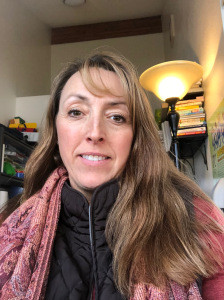
Shawna Heiser
A thorough presentation of positive behavioral interventions in a variety of environments will be presented to conference attendees. Discussion will center around types of behaviors; task avoidance, escape motivated, attention seeking, behaviors that produce sensory consequences, and the role motivation plays in behavioral success in many settings-school, home, and community. Children with autism and behavioral concerns will be thoroughly discussed. The audience will be able to apply the information presented through videos, activities, and examples of how to set up positive plans for the children in a variety of environmental settings immediately in their respective situations. The training will also contain discussions about setting limits that work and the application of positive interventions.
3. Science Hands on Exploration: Tinker Labs- Terri Barclay, OPI
Terri Barclay
In this session, participants will learn about the many ways the Maker Movement overlaps with the natural inclinations of children and the power of learning by doing. By embracing the lessons of “Making & Tinkering” with STEM, early childhood educators can revamp the best student-centered teaching practices to engage learners of all ages.
4. Google Form Data Collecting Made Easy - Laura Cline, Big Sandy Schools
Hands-on presentation where teachers can start understanding and designing their own Google form academic data collection sheet to be used weekly within their classrooms.
5. Developing and Supporting Integrated Work-based Learning Experiences- Morgan Alwell, UM; Jennifer Closson, UM, Melissa Dadmun, Rural Institute
Morgen Alwell
We will share strategies and examples of selecting and developing integrated work sites, and instructional strategies for teaching students task and social skills at job sites. We will also share examples of work-based assessments, resume development, and supporting students to make quality contributions to their IEP meetings.
Powerful Interaction Fueled by Observational Data- Jill Christensen & Maureen Kampfe, OPI
Imagine the Possibiities- What's New & Exciting with Technology - Jeff Crews & Dean Phillips, Beyond the Chalk.
 Since late 2011, MinecraftEdu has made its way to thousands of classrooms around the world. It has been used to teach all kinds of skills and subjects from math to foreign languages to social justice to fair trade. MinecraftEDU can act as a powerful bridge between physical and virtual classrooms, fostering critical 21st century skills. These skills include creating curious and creative individuals through experiences and knowledge that follow up with their findings at home after school hours. Additionally, making the school a more democratic place where students feel that they are an important part of school work, development, and the decision making process has the potential to increase student engagement and learning. Learn how MinecraftEDU can be used in a classroom setting with all learning types and abilities. This workshop will introduce you to the incredibly flexible world of Minecraft and begin exploring through actual game play, how to incorporate this tool into your teaching.
The 12 Habits of Effective Educators of Students with ASD - Ann Garfinkle
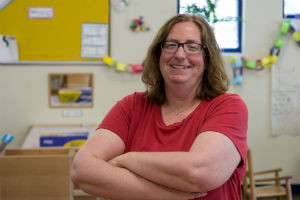
Dr. Ann Garfinkle
Students diagnosed with ASD can be challenging for educators and other school personnel for a variety of reasons. Further, the diversity of the population can make it challenging for practitioners to gain enough experience so that they feel comfortable and confident in their teaching students diagnosed with ASD. This session will present an overview and explanation of the skills needed to work with this population.
Making Secondary Transition Work- Marla Swanby, OPI; Tim Garrett & Taylor Hassler, Helena School Distric

Marla Swanby

Taylor Hassler
The presenters will be sharing practical information on employment, living skills, assessments, transition services needed and adult services providers in order to assist teachers in helping students through the Secondary Transition process. Come and join in the conversation.
Tools to Build Connections & Improve Conversation for Coaches, Consultants & School Change Agents - Cass Rocco, Consultant
Cass Rocco
Peer and instructional coaches, consultants and anyone who promotes new learning to adults in a school is required to do more than just know what works. Connections that foster effective dialogue must be cultivated in order to improve instructional practices that continue when the coach leaves. Research has shown us that old school “preach to teach” does not deliver lasting change. This session introduces and reviews: >skills to enhance communication through “Better Conversations”, >methods for self-assessment (for coaches and those being coached) >tools to development on- site support to maintain professional learning
1. The PAX Good Behavior Game: Claire Richardson, Paxis Institute: (this session will run until 4:30 pm and continue on Friday morning) Additional $310 for kit
Claire Richardson
The PAX Good Behavior Game produces powerful prevention results in the classroom and increases academic achievement.
Do you want a strategy with a proven track record in over 10,000 classrooms? Across grade levels in inner cities, suburban schools, small towns, on tribal lands and very remote communities? Do you want academic achievement to increase, including high-school graduation and college entry? Do you want to reduce teacher stress? Do you want students’ problematic behavior to decrease, and self-control to increase? Do you want to prevent childhood psychiatric disorders?
If you answered yes to any of these questions, register for this session.
When you register for this session there is an additional $310 fee for the kit which is a requirement for each person.
There is a 40 person limit on this session.
2. A Roadmap to Success for Administrators: Reaching and Teaching Staff and Students - Shawna Heiser, Special Learning 1-on-1
Shawna Heiser
A thorough presentation of positive behavioral interventions for administrators and navigating these interventions in schools will be presented to conference attendees. Discussion will center around types of behaviors; task avoidance, escape motivated, attention seeking, behaviors that produce sensory consequences, and how much time and financial difficulty behavioral differences can cause. The presentation will discuss the primary role administrators can play in assisting families and faculty members in supporting children with behavioral needs in school. We will discuss the common pitfalls that administration can unknowingly exhibit, but then also how administrators can stress and focus on positive behavioral support in schools instead. The training will contain discussions and examples of practice based behaviorally focused school wide systems of positive support.
3. Still Learning Outside: Keeping Outdoor Experience & Environment a Preschool Priority- Sally Hicks, OPI Preschool Development
Sally Hicks
Providing a rich outdoor experience promotes movement, curiosity, exploration, creativity, problem-solving, and persistence for all children. Reclaim time outdoors for your preschoolers and look forward to maximizing huge brain and body benefits. Allow children valuable time to practice and strengthen skills in all four domains of the Montana Early Learning Standards as they play in the fresh air! We’ll discuss smooth transitions outside and back inside, how to encourage gross motor development, and ways to enhance your outdoor space. We’ll also prepare to maximize opportunities for child guidance as we strive to offer at least one hour of free, unstructured play under the big sky daily.
4. COTEACHING-- Making it Work! Melissa Hardman and Mary Meehan, Evergreen School District
Melissa Hardman
CoTeaching can seem daunting to implement. Come learn some strategies for how administrators can support the implementation and tips and tricks to making CoTeaching work in your school from educators who have been using CoTeaching in their school for the last five years. Come celebrate the successes that have occurred when teams work together to reach and teach all students.
5. Penny vs. Sheldon: An Approach to Social Communication Instruction- Carolyn Long, Tonya Shonkwiler & Hannah Haygood, Bozeman School District (This session will be repeated Friday morning)
This presentation will address assessment, curriculum design, and individualized planning related to implementing a social/communication class for students with a variety of social/communication needs in the middle to high school age range. This presentation will teach professionals/parents how to help students to be successful within the school, community, vocational setting and their personal lives. We will address how to help students who disrupt the flow of class, struggle with perspective taking and self advocacy, and struggle to gain and maintain relationships.
Houghton Mifflin Harcourt: Revolutionary Math Intervention- Janet Bales
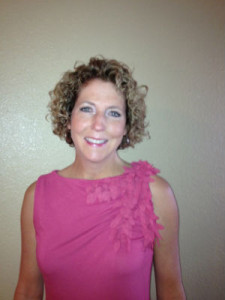
Janet Bales
What if your struggling middle school math students WANTED to attend math class? Successful math intervention in middle school has been difficult to achieve. No longer! Learn how many educators are revolutionizing their instructional practices and student engagement through the implementation of MATH 180. Data is used to appropriately place and monitor students as they progress to Algebra success. This session will use a demonstration model and provide access for all participants to further explore MATH 180 at their convenience.
Pro- Act: Meeting the Challenge of Working with Students in Crisis- Richard Van Acker

Richard Van Acker
Pro-ACT is a nationally recognized program that provides training and consultation to professionals working with potentially aggressive people. The Pro-ACT program presents principles for managing potentially dangerous and dangerous behaviors.
1. Smarter Balanced Accommodations: Guidelines for Choosing the Text to Speech/Read Aloud Accommodation- Yvonne Field, OPI
Yvonne Field
The presentation provides clear guidance on the appropriate use of text to speech and read aloud on the Smarter Balanced test. This presentation will help special educators and administrators to understand the difference between the different types of text to speech/read aloud options and the impact that using this accommodation on the reading content assessment will impact accountability data.
2. Reach for the STARS: Reflections on the Social Model of Disability—Does Diagnosis Matter?- Robin Lynn Treptow, Fielding Graduate University
This brief presentation will discuss the history and key constructs of the social model of disability, including its role in increasing social justice for people with disabilities today. The social model presupposes that impairments do not create disability; rather, “disability” results when barriers prevent persons’ free access to opportunity and growth. Potential barriers include physical restrictions and social attitudes (i.e., stigma or bias). First, characteristics of the social model will be juxtaposed with diagnosis, specifically how diagnosis differs from or overlaps with the social model. Second, advantages to using the social model of disability when helping children with, or at risk for, disabilities “reach for the stars” will be highlighted. Finally, the case example of an infant at risk for disability will be presented to illustrate the import for social, cognitive, behavioral, emotional, and physical outcomes when one uses the social model of disability to conceptualize potential outcomes.
3. Using Google Forms For Special Educators-Melissa Hardman, Evergreen School District
Melissa Hardman shows how to use Google Forms for data collection
4. Social Skills Circle Time- Grace Decker, Child Care Resources
Grace Decker
Circle Time is a unique and special part of the preschool day! Come to Social Skills Circle Time to learn 5 - 8 songs, fingerplays and games that help reinforce important social skills for preschoolers!
5. Engaging Men in Early childhood- Jody Lehman, OPI
Children develop ideas about gender and gender roles early. Exposure to caring female and male role models prevents negative gendered stereotypes from forming, and promotes healthy development. However, the early childhood learning environment is rarely gender balanced. Few EC teachers are male, and fathers, and other significant males in a child’s life, often struggle to find a place in the EC classroom. Serious barriers exist to the efforts to engaging men. This session will discuss those barriers and share strategies to mitigate them.
6. Terrific Transitions- Maureen Kampfe, OPI
Maureen Kampfe
Think about how many times a day children move from one activity to the next in the early childhood classrooms. Transitions can be powerful tools when they are intentionally planned. Come to this fast paced session and leave with some new learning based ideas for effectively transitioning children from one activity to another.
7. Social Skills Aren't Rocket Science!- Morgan Ator, Yellowstone-West Carbon Coop
Come see how traditional and entertaining card and board games can assist you in teaching healthy social skills. Social interactions occur every time there are two or more individuals exchanging information. Social skills are the silent, invisible, unwritten rules that well-functioning individuals use to navigate their way through these social interactions. Social skills can be an abstract and difficult concept to teach. It can be time consuming to integrate these lessons into your teaching methods and costly to find curriculum that works well with a majority of your students. Games are a great way to naturally engage students – they are fun, entertaining, interactive and EDUCATIONAL! We will be demonstrating how traditional card and board games can be used to teach essential social skills such as identifying emotions, empathy development, problem solving skills, communication skills (i.e., taking turns, asking for help, answering questions, using appropriate voice tone), cooperation, self-regulation and more.
8. Serving Students with Hearing Loss: Reaching for the Stars in MT- Catherine Griffin & Carol Clayton-Bye, MT School for Deaf & Blind
This topic will provide information on statewide services for Deaf and Hard of Hearing students; these services are provided at no cost to districts. Practical application to the classroom including how to troubleshoot hearing aid/cochlear implant, classroom modifications and educational strategies to maximize language acquisition will be addressed.
9. Active Learning for All: Student Success Begins With Small Steps- Mastery Ann Ellsworth- MSU
Ann Ellsworth
This presentation shares active learning approaches that help young children learn literacy fundamentals. Participate in hands-on, innovative activities that help students—especially those who struggle with language learning—experience success. We will use the “I do it, We do it, You do it” approach invites full engagement for all types of learners.
10. Lessons Learned from the Virginia Tiered Systems of Supports (VTSS)-Thomas Manthey, Mt Center for Inclusive Education
Beginning in 2012, the Virginia Department of Education began braiding existing initiatives such as: Response to Intervention, Positive Behavioral Interventions and Supports, and the Content Literacy Continuum in the establishment of the Virginia Tiered Systems of Support. Since then, they have expanded the focus from academics and behavior to include mental wellness and partnering with outside agencies. Learn about the lessons learned in this process and discuss how it is relevant in Montana.
1. MCASE Roundtable Discussion for Special Education Administrators: Changes in Montana Special Education- Frank Podobnik, OPI and Michelle Halberg, MCASE
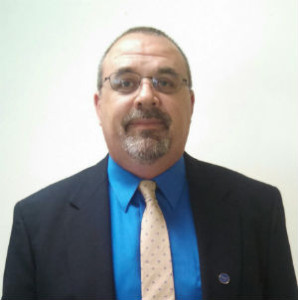
Frank Podobnik
This session is for special education directors. The OPI staff will provide updates on current issues in special education, recent court decisions that apply to Montana, recent guidance from OSEP and other topics of interest to the participants.
2. Universal Design for Learning: Applications for Practitioners and Opportunities for Co-Teaching- Morgen Alwell, UM & Neil Murray, Woodman School, Terri Daniels, Missoula School District
Morgen Alwell
After nearly two decades of development, implementation, and refinement, UDL continues to gain momentum as a powerful learning framework to increase student engagement and achievement. In this session, participants will learn strategies and tips for applying the UDL framework in their lesson design, see exemplary lessons with UDL features, explore resources for UDL lesson design, and add UDL features to one of their own lessons. Ideas for creating co-teaching opportunities will also be shared.
3. Making Statewide Assessments Accessible for Students with Disabilities- Yvonne Field, OPI
Yvonne Field
This presentation is intended to provide in depth resources and processes to help special educators to implement best practices in making statewide assessments accessible to students with disabilities.
4. Playful Instruction and Planful Play - Dr. Lucy Hart Paulson, UM
Lucy Hart Paulson
Play has long been considered an important contributor to children’s development. As such, play is included as a “must have” component in early childhood curricula. Changes in society and culture have created cause for concern about children’s opportunities to engage in pretend play. Another influence is an increased pressure for more academic learning in early childhood classrooms. This session describes types of play, stages of development, research findings, and ways early childhood educators can embed playful instruction and plan for purposeful play.
5. How to Write Terrible, Horrible, No Good, Very Bad Goals for IEPs- Doug Doty, Montana Autism Education Project, OPI
Doug Doty
Learn How (NOT TO!!): choose and include in the IEP skills and knowledge that have no relevance for the student and her future life. Teach useful skills in a way that makes them not-useful. Ignore the need for data when describing current performance. Choose data measurement methods that are not relevant to the skills and or goals you are teaching. Write goals using data methods that won’t actually measure the skills. Don’t know ways to easily take, keep and present performance data. Use vague and obfuscating language so that no goal really describes what the student is learning. Ignore the many tips, tricks and ways to make your life easier which will be shared in this session. Don’t even do the in-presentation activities that will build your competence and confidence.
6. The PAX Good Behavior Game: Claire Richardson, Paxis Institute: (continuation of Thursday afternoon session)
Claire Richardson
This session is a continuation of the Thursday afternoon session. Do not register for this session unless you’ve registered for the Thursday PM session and will be paying for the kit.
7. If You Only Knew What I Was Saying- Cathy Jury, Mt School for Deaf & Blind
This presentation will give an overview of Montana School for the Deaf and Blind’s outreach services, give a brief explanation of the continuum of sign language, and become interactive when participants are given the opportunity to practice sign with the presenters. Many resources will also be shared so participants will have the tools to continue learning American Sign Language.
8. Expanding Your Toolbox; How to integrate Zones of Regulation across the school setting- Michelle Swank, Columbia Falls School District (Repeat of the Wednesday session)
Michelle Swank
This course will provide strategies on how to integrate Zones of Regulation within the classroom environment in connection with developing regulation tools to help guide student’s self- regulation skills to generalize within the classroom setting. Participants will be provided hands on materials and guidance on how to expand Zones of Regulation daily within their instructional practice to best support student’s social and emotional needs.
9. Penny vs. Sheldon: An Approach to Social Communication Instruction- Carolyn Long, Tonya Shonkwiler & Hannah Haygood, Bozeman School District (This is a repeat session from Thursday)
This presentation will address assessment, curriculum design, and individualized planning related to implementing a social/communication class for students with a variety of social/communication needs in the middle to high school age range. This presentation will teach professionals/parents how to help students to be successful within the school, community, vocational setting and their personal lives. We will address how to help students who disrupt the flow of class, struggle with perspective taking and self advocacy, and struggle to gain and maintain relationships.
10. Navigating the Stars: Bringing Technology into Sight- Melanie Bush and Chris Siller, MT Indpendent Living Project
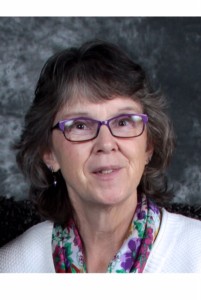
Melanie Bush
Here’s where technology, your students and the classroom collide. Learn how to determine what technology a student needs and how to incorporate the latest assistive technology & services to achieve equal access in the classroom & improve your student’s outcomes. There will be Information shared and hands on demonstrations with the latest assistive technology for students with a wide verity of needs including low vision, blind, deaf, hard of hearing, alternative communication and mobility. Come ready to explore with your iPad, Chromebook, tablet or laptop and be ready to blow the lid off your AT tool box.